Podere Cannicci – Day 3

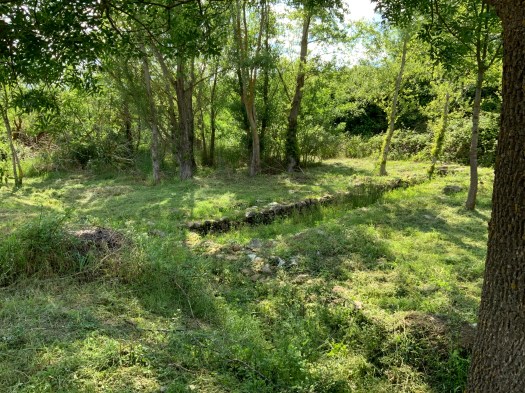
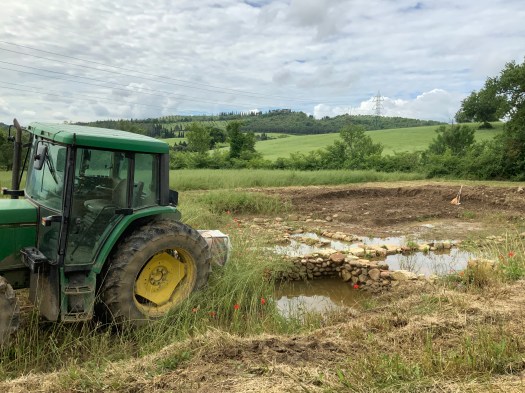
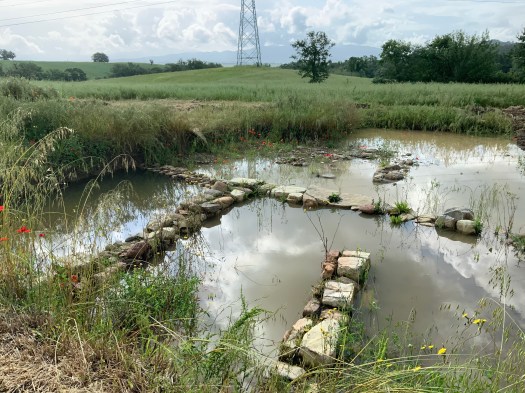
The site at Podere Cannicci is now fully drained and ready to host the students.

On Monday, we start the general opening of the excavation trenches and we will organize the camp.

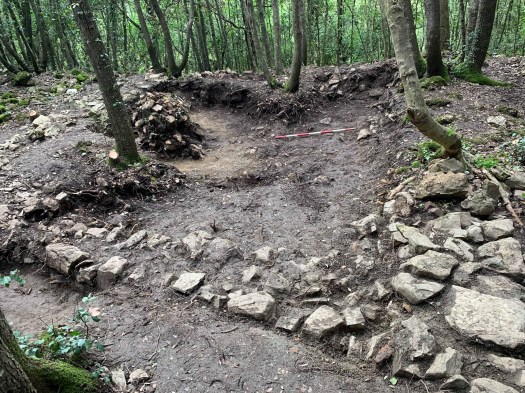
The aim of this season is to finish the investigation of Room I and Room IV, while a new trench has been opened to check the data from the geophysical survey conducted last year.

Castellaraccio di Monteverdi – Day 4

With the designated work sites being the Keep and a house located within the castle, the teams have worked tirelessly to expose the history of medieval Tuscany, and subsequently the importance of interconnectivity along the river Ombrone. Dr. Vanni and his team at area 1000 removed two incredibly large root systems from the Keep nearly doubling the size of the working area and the exposition of wall. 

Meanwhile at area 2000, the medieval house within the castle structure, the second team worked to expose the history of the inhabitants outside of the Keep. Before lunch, the team focused on defining the perimeter of the site, which is being done by finding and exposing the exterior walls. The main objective of the day was to push back toward the north wall and expose the definitive edge of the site, with the first contact being made shortly before the tea break at 10:30am. The second objective was to expose the massive root system of a grouping of four trees that embedded itself into the west wall. What was previously thought to be a robber’s hole, is for the moment displaying the same consistency as the topsoil both within and around the site. The areas surrounding the walls on the exterior and interior consist of a sandy yellow composition, and for the moment resembles disintegrating mortar after nearly nine hundred years of erosion. By the end of the day, contact was made with the north wall and the root systems surrounding the west wall, as well as the west wall itself being exposed, highlighting the speed at which both teams are moving. 

Two big finds to be announced were the discovery of mortar,which helped shaped the phases of collapse, by Christina, and the corner roof tile by Thuraya, which accompanied previous roof tiles leading to further chronology of the site, and once again showing that collapse happens in more than one phase.

Podere Cannicci – Day 2

We are still pumping the water out of the main excavations site at Podere Cannicci. If the rain stops, we should be able to start the activities on Monday, with the entire team.

Castellaraccio di Monteverdi – Day 3

In defiance of the weather, the IMPERO Team continued to make great strides uncovering both the area originally opened in the previous season and the house newly excavated this year. The portion of the team focused on the house defined the wall facing inward to the hilltop and began to get a sense of the corners of the room—investigating the extent of the collapse of the side walls and attempting to demarcate the perimeter. Unfortunately, the three walls closer to the slope have been greatly disturbed by thick trees growing within and around the rocks, obscuring the corners, wall alignment, and, particularly in the case of the Western wall, the relationship to another, more clearly outlined wall likely belonging to an adjacent house. Nevertheless, the students removed several significantly problematic tree roots and extensive layers of collapse, increasingly revealing the corner on the South-Western portion of the site. 

Further, the team opened a trench approximately a meter across immediately outside the best-defined wall of the house where an abundance of pottery fragments were discovered, stirring new considerations of chronology for Castellaraccio. The sheer amount and typological significance of these sherds were a pleasant accompaniment to the visibility of the day’s labor within the perimeter of the house itself, which heralded an inconsistent depth in the layer of humus toward the North-West corner of the site. The organically rich topsoil seemed to follow the shape of a semi-circle, contrasted with a lighter soil encompassing a secondary layer of collapse that may signal a cut. As students fell easily into the rhythm of picking, shoveling, and troweling despite the majority’s lack of experience with the tools, it became clear as the day progressed that this corner will act as a focal point once the perimeter of the room is fully defined and the interior of the space is levelled.

Castellaraccio di Monteverdi – Day 2

The excavation continued both at the main building at the entrance of the castle and the new structure located in the residential area of the settlement.

Part of the team challenged the removal of a thick collapse layer, partially investigated last year, while the rest of the students were working to define the limits of the possible house. During the removal of the external collapse, several fragments of pottery informed us on the final period of use at this portion of the castle.

Podere Cannicci – Day 1

Today, we went down to Podere Cannicci to check the site after the heavy rains of the last few days. As the site was flooded with water, we decided to spend the afternoon with the tireless Alberto to drain some of the water with a pump.

We will continue this tomorrow, so that next week we can start exploring the new areas at the Roman site.

Castellaraccio di Monteverdi 2019 – Day 1

During a fortunate pocket of clear skies between periods of pouring rain, the directors of the IMPERO Project took advantage of the opportunity to officially begin the season’s work. Professors Alessandro Sebastiani and Michelle Hobart brought several students to Castellaraccio, where all participated in the clearing of rocks and felled trees. Professor Hobart likewise acquainted these pupils with the most up-to-date understanding and conjectures of the site’s layout, chronology, status and anomalies, and integration with the surrounding area, including the site of Podere Cannicci. She painted a picture of the castle in time and space while taking her listeners physically through the foci and extents of last year’s excavation, answering questions and explaining the processes behind past and ongoing investigation choices. After these introductions, all with her joined Professor Sebastiani and Alberto Ghini, who cleared much of the covering vegetation to allow for the future use of satellite imaging, in moving the fallen trunks and branches down the hillside and in clearing the collapse within a selected postulated house inside the outer wall. Not only were these moments filled with laughter, anticipating a tight-knit team for the 2019 season, but the amount of work achieved in just a few hours exceeded expectations and made for a fruitful introduction to the labor. 

Simultaneously, Dr. Edoardo Vanni, although he also joined those at Castellaraccio to significantly assist in the clearing of rocks, took the remaining students to wash and become acquainted with some of the pottery from the previous year, acquiring a feel and appreciation for the types of material culture that will frame the coming weeks. While the separated students engaged in different forms of labor in their introductions to the project, both groups gained a deeper understanding of IMPERO’s mission, the field at large, and the sites that we investigate. All field school participants, both those new and returning, made today as productive as possible before the storm set in—promising a season full of dedication, teamwork, and broadened horizons.  


New book by Fabiana Fabbri

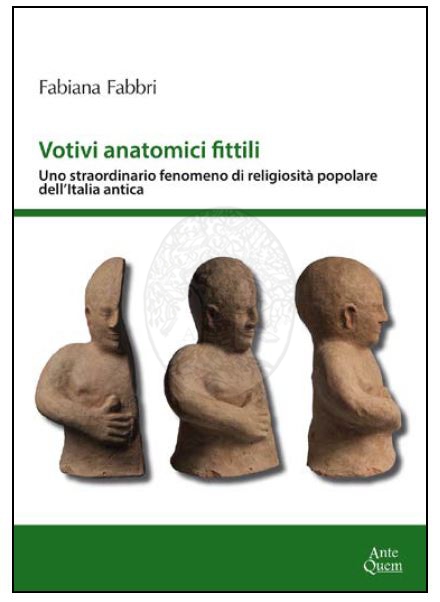
Just out of the press: “Votivi anatomici fittili. Uno straordinario fenomeno di religiosità popolare dell’Italia antica“.

The volume is written by our specialist Fabiana Fabbri who is in charge of studying the votive offerings at Podere Cannicci. The book investigates the phenomenon of votive offerings in pre-Roman and Republican central Italy with a specific focus on ex-votos depicting parts of the human body.

Our warmest congratulations to Fabiana for this crucial study of the ancient material culture!

Here is the link to buy the book: https://www.antequem.it/it/Ricerche/Votivi-anatomici-fittili-c461

Conference – Siena

On Saturday, July 14, we will present the results of the second archaeological season at the Conference “Notizie dei Cavi e degli Scavi – Archeologia SABAP-SI 2018”.