
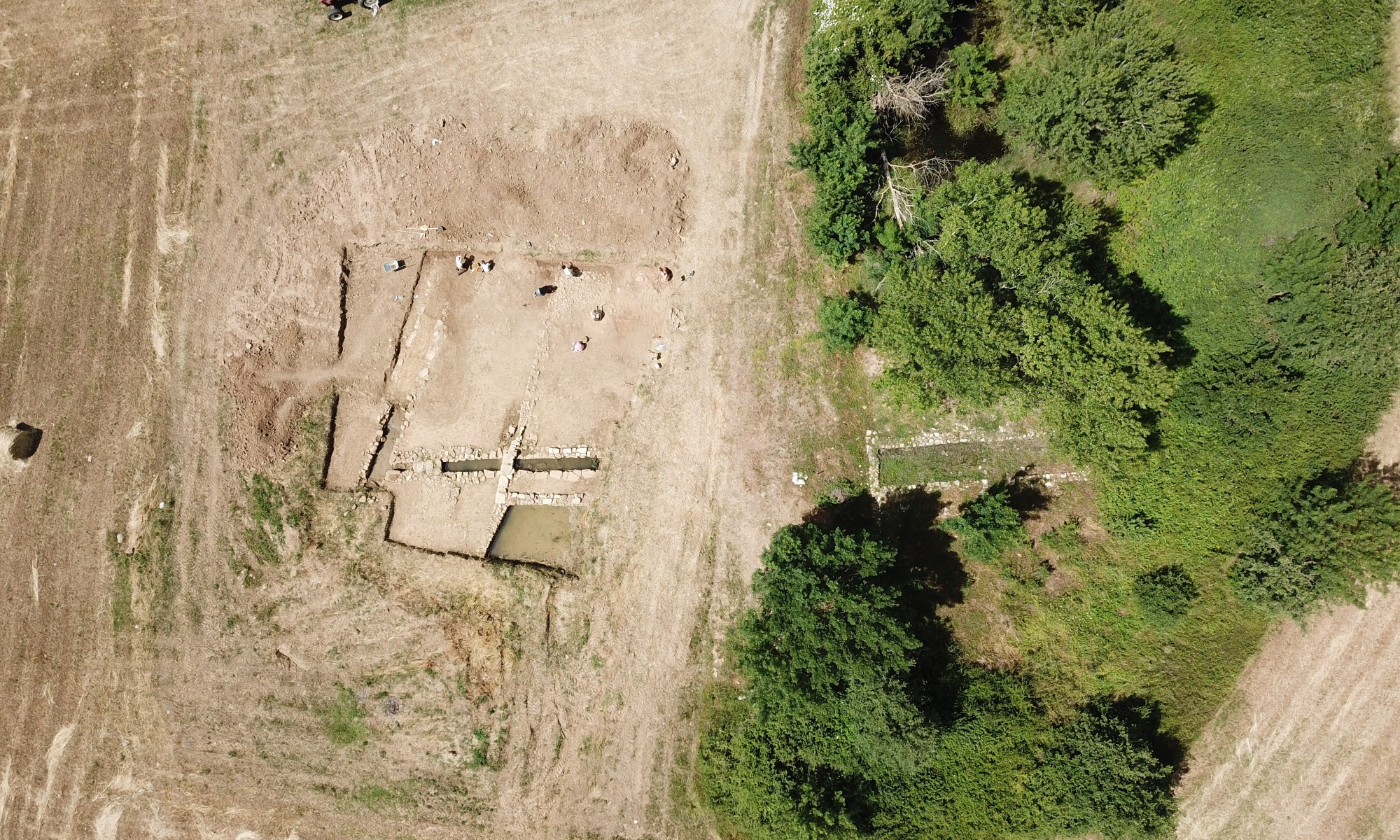
The vicus of Podere Cannicci is a Hellenistic-period rural settlement located in the territory of Civitella Paganico, in the province of Grosseto, along the middle course of the Ombrone River. The site was discovered accidentally in 1989 during construction work for the SNAM methane pipeline. Following the report of the find, emergency archaeological excavations were carried out by the Soprintendenza Archeologica per la Toscana. These investigations led to the first identification of the vicus structures and the recovery of significant materials, including votive ceramics and architectural remains. Since 2017, the site has been the focus of systematic excavation under the IMPERO Project (Interconnected Mobility of People and Economy along the River Ombrone), coordinated by the Department of Classics at the University at Buffalo.
The settlement developed in the wake of the Roman conquest of the territory of Rusellae, within a landscape already inhabited in the Etruscan period. This earlier occupation is evidenced by the presence of a sacred area dating as early as the 5th century BCE. The vicus expanded between the late 4th century and the early 1st century BCE, taking advantage of the agricultural reorganization of the ager Rusellanus.
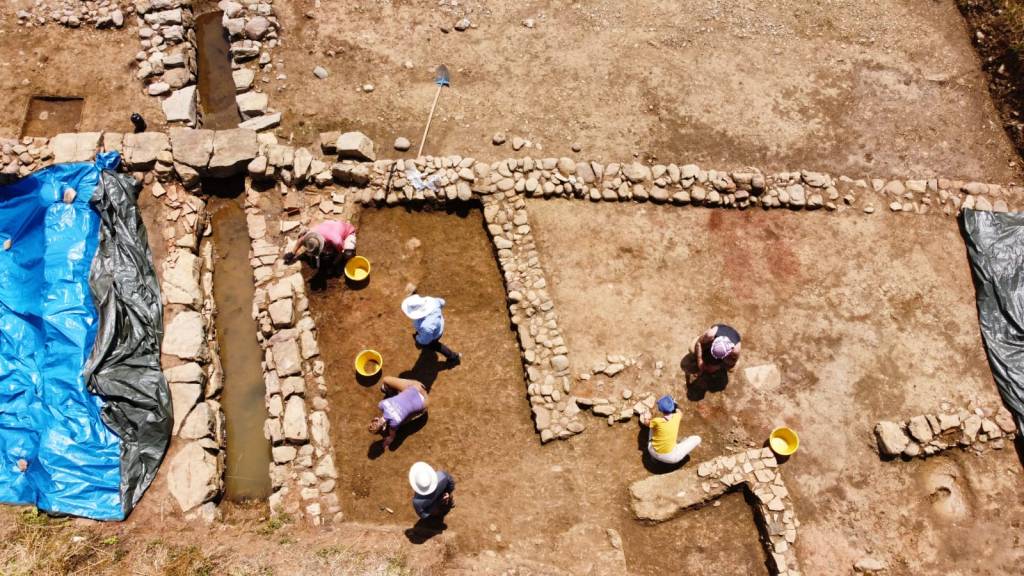
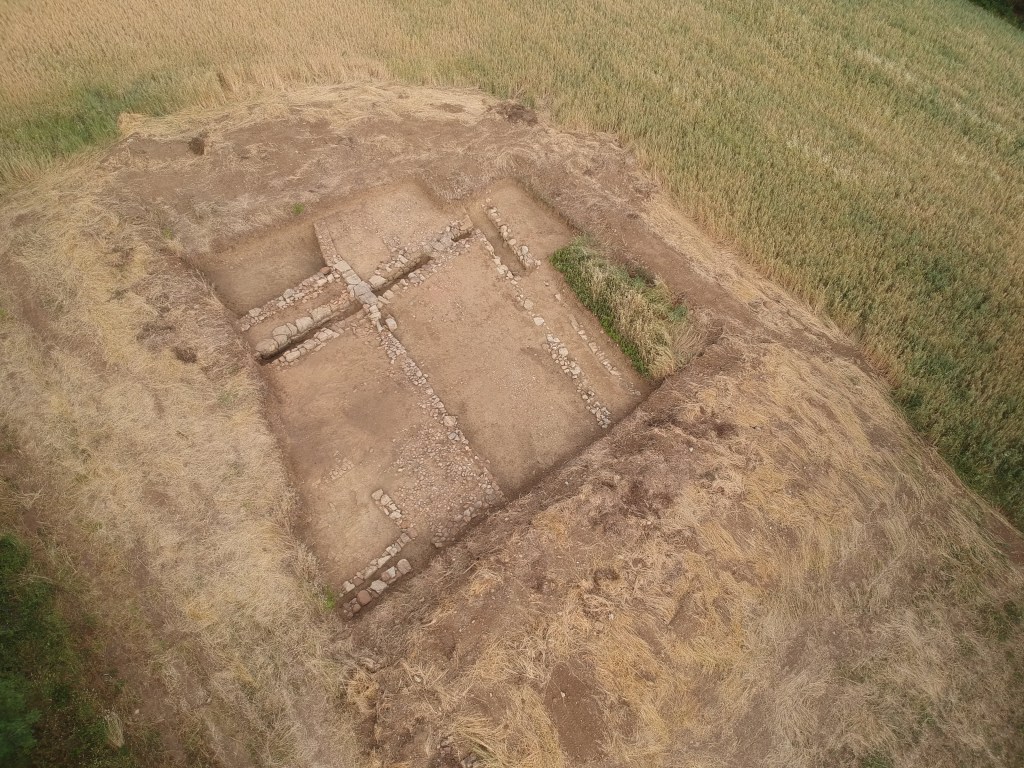
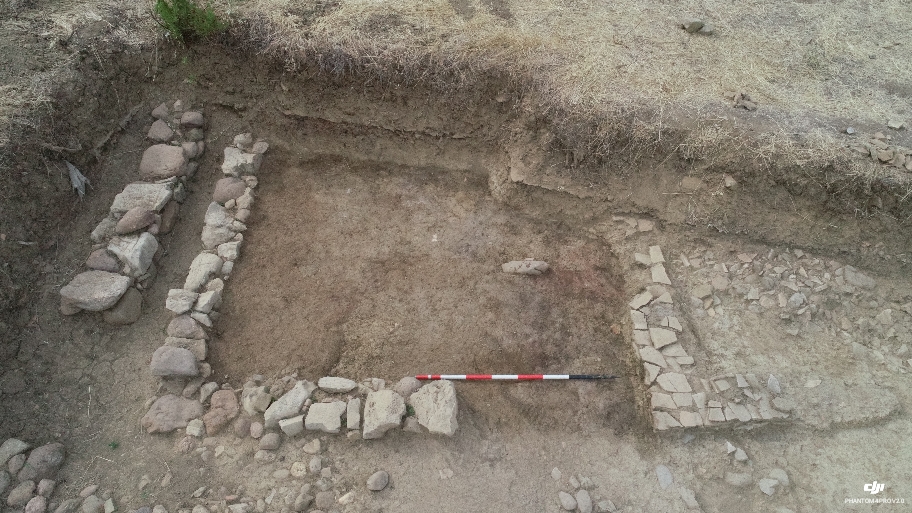
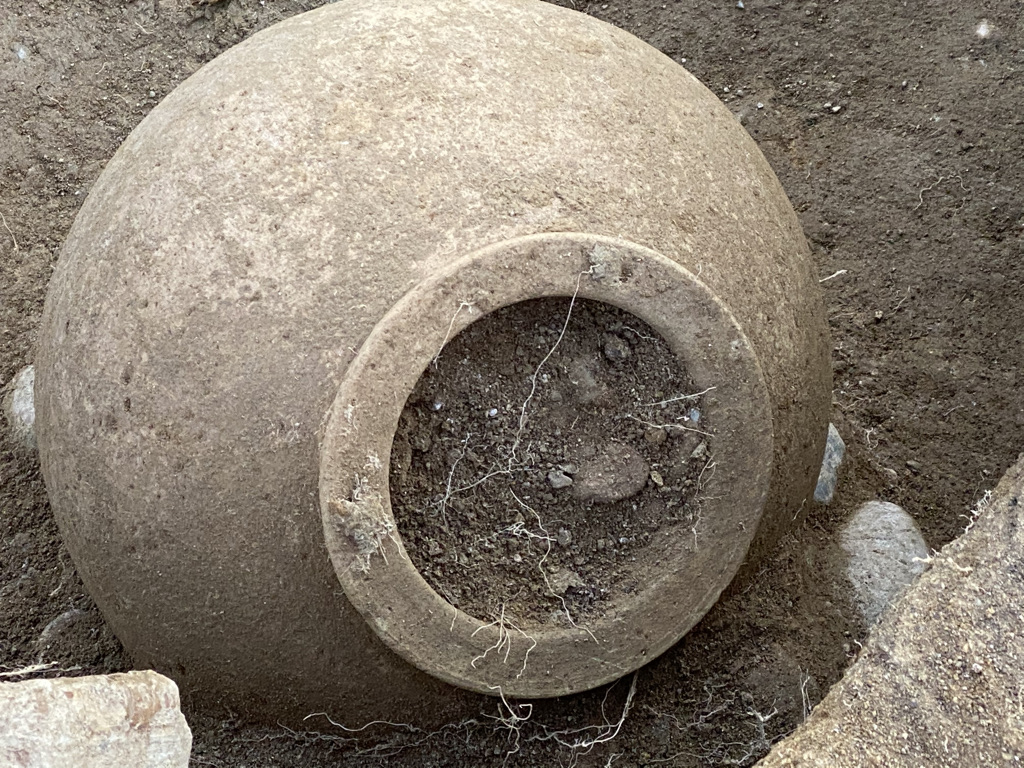
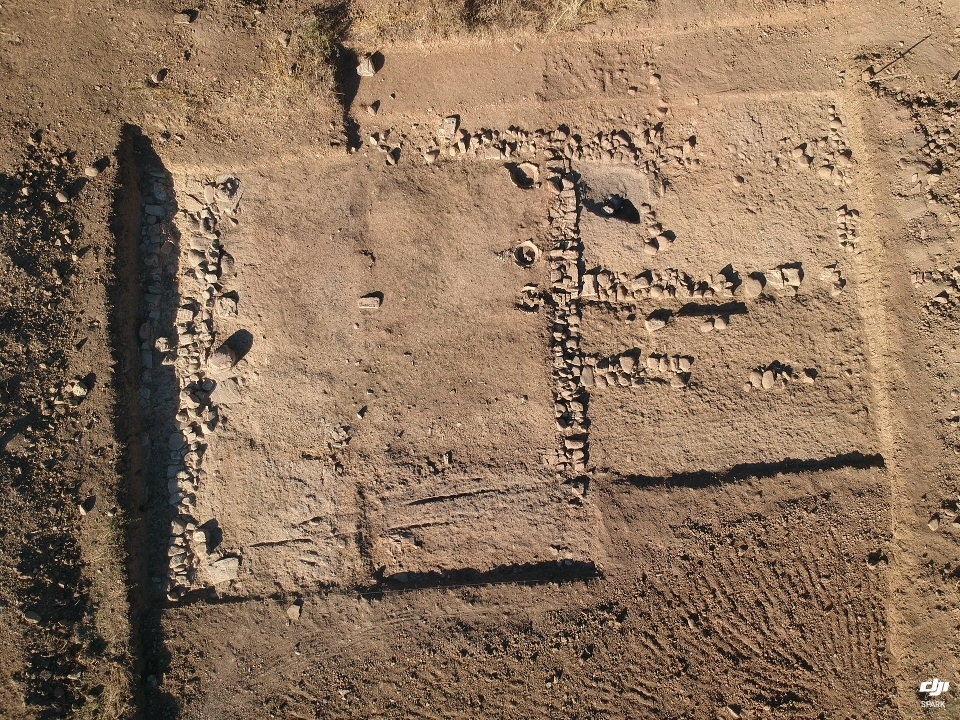
Among the defining features of the settlement are extensive areas dedicated to the storage of agricultural goods, along with workshops specializing in ironworking and ceramic production. The excavated structures include productive spaces, residential buildings, and hydraulic infrastructure. Noteworthy finds include high-quality ceramics, everyday objects, and tools associated with artisanal activity, all testifying to the economic vitality and functional complexity of the site.
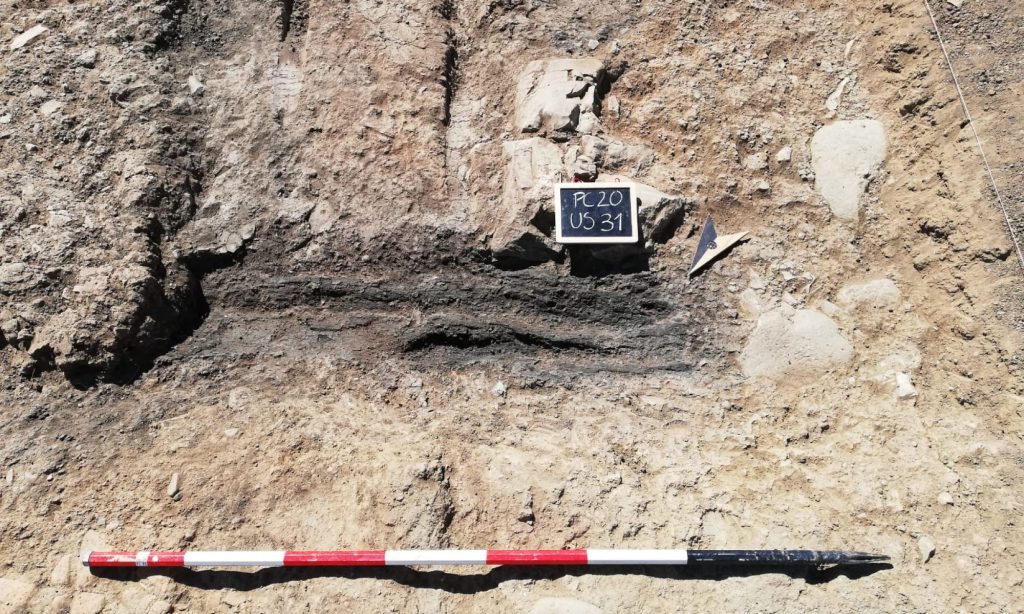
However, the vicus met a violent end in the 80s BCE, likely due to military action by the forces of Lucius Cornelius Sulla during the Roman civil wars. The subsequent fire appears to have devastated the settlement, which was abandoned shortly thereafter. Despite this, a via glareata (gravel-paved road) that crossed the site continued to be used at least until the late Roman period, demonstrating the persistence of local infrastructure even after the cessation of residential and productive functions.
The Necropolis
At a short distance from the vicus, on a slightly elevated terrace above the settlement area, a Roman-period necropolis has been identified. In use from the 2nd to the early 1st century BCE, the necropolis consists entirely of cremation burials. Each tomb features a circular chamber cut into the bedrock and a pseudo-dromos providing access.
Some of the burials yielded funerary assemblages comprising fine ceramics, amphorae, balsamaria, and metal objects, offering important insights into local funerary customs and the social standing of the community.
The Sanctuary
Although no formal temple structure has yet been identified, the presence of a rural sanctuary near the vicus is inferred from the discovery of votive materials unearthed during the 1989 excavations in a central area of the settlement. These finds, recovered from secondary deposits, include offering vessels, bronze objects, terracotta figurines, and anatomical ex-votos.
This assemblage suggests the existence of a cult place active from the late 5th to the late 2nd century BCE—long before the establishment of the Roman vicus. The nature of the votive items points to a cult likely focused on health, fertility, and the protection of agricultural activities, consistent with the rural character of the surrounding landscape.
The sanctuary provides valuable evidence of the continuity of local religious practices from the Etruscan into the Roman period, highlighting the enduring role of traditional cults in extra-urban contexts even after the area was incorporated into the Roman domain.
The Archaeological Research
The primary objective of the Project is to fully uncover and interpret the site of Podere Cannicci. Three key research axes guide this investigation. First, the project seeks to clarify the interconnected relationship between the sanctuary and the adjacent vicus, aiming to identify potential synchronic or diachronic phases of development and interaction. Second, it explores the transformation of the surrounding landscape from the Roman period through the medieval era, with particular attention to shifts in the mobility of goods and people over time. In this context, the Ombrone River serves as a critical trait d’union, linking inland dynamics with coastal networks and enabling a broader reconstruction of trade and communication routes between the hinterland and the Tyrrhenian coast. Third, the recent discovery of a necropolis associated with the settlement adds an essential dimension to the research, opening new avenues for understanding funerary practices, social organization, and demographic patterns within this rural community.


References
Fabbri F. and Sebastiani A. (eds), 2025 Sacred Landscapes in Central Italy. Votive Deposits and Sanctuaries (400 BC- 400 AD). Brepols, Turnhout. ISBN: 978-2-503-61366-6
Sebastiani A. and Megale C. (eds), 2021. Archaeological Landscapes of Roman Etruria. Research and Field Papers. Brepols, Turnhout. ISBN: 978-2-503-59139-1
Turkar Y., De S., Adhivarahan C., Mottola L., Sebastiani A., Castelletti D., Dantu K., 2024, Enhancing Archaeological Surveys with In-Sar Imagery and UAV-Based GPR. IGARSS 2024 – 2024 IEEE International Geoscience and Remote Sensing Symposium, Athens, Greece, 2024, pp. 11454-11456, DOI: 10.1109/IGARSS53475.2024.10640645
Sebastiani A., De Pari M., Vanni E., 2024, The Tomb of the Rings and the Tomb of the Linen. New Data for a Late Etruscan Community in the Middle Valley of the Ombrone River. Journal of Etruscan and Italic Studies, 27: 197-216.
Sebastiani A., 2023. La Tomba della Corona presso Podere Cannicci. In Baldini G., Del Segato V., Marcocci A., Milletti M. (eds). Gli Etruschi di Casenovole. Passato Remoto di una Comunità. Catalogo della Mostra, Effigi, Arcidosso: 61-74.
Sebastiani A. 2022. A Late Etruscan Burial at Podere Cannicci (Civitella Paganico – Grosseto). Journal of Etruscan and Italic Studies, 25, 1-2: 173-197.
Fabbri A., Sebastiani A., and Maggiani A. 2022. Ager Saenenis vel Rusellanus. Podere Cannicci (Civitella Paganico-GR). Studi Etruschi LXXXIV: 242-247.
Sebastiani A. 2022. Un orcio pieno di funghi? Nota sulla comunità rurale di Podere Cannicci (IV-I secolo a.C.). In S. Bruni (ed) Studi in Onore di Giovannagelo Camporeale. ETS Edizioni, Pisa: 263-276.
Sebastiani A. 2022, Una sepoltura ellenistica da Podere Cannicci (Civitella Paganico – Grosseto). Riflessioni a margine tra vita e morte di un santuario e villaggio tardo etrusco e repubblicano. In A. Cristilli, F. de Luca, G. di Luca, A. Gonfloni (eds) Experiencing the Landscape in Antiquity 2, BAR Publishing, Oxford: 265-273.
Woldeyohannes E. and Sebastiani A. 2022, Violence, Memory and the Contours of Grief: Placing Identity in Affective Landscape(s) at the Rural Settlement of Podere Cannicci (Italy – GR). In A. Cristilli, F. de Luca, G. di Luca, A. Gonfloni (eds) Experiencing the Landscape in Antiquity 2, BAR Publishing, Oxford: 5-12.
Sebastiani A. 2021. Digital Artifacts and Landscapes: Experimenting with Placemaking at the Impero Project, Heritage Journal, Special Issue: Cultural Heritage and Archaeology in a Digitalized World: Methods and Practices, Heritage 4, 1: 281-308.
Sebastiani A. 2021. The Riverine Landscape of the Ombrone Valley in the Roman Period: Preliminary Data from Southern Tuscany. In Berns C. and Huy S. (eds), The Impact of Rivers on Ancient Economies. Proceedings of the 19th International Congress of Classical Archaeology (Cologne/Bonn – May 22-26, 2018), Propylaeum, Heidelberg: 85-101.
Sebastiani A. 2021. The late Etruscan and Republican Settlement at Podere Cannicci (Civitella Paganico – GR). In Sebastiani A. and Megale C. (eds). Archaeological Landscapes of Roman Etruria. Research and Field Papers. Brepols, Turnhout: 219-235.
Sebastiani A., Vanni E., M. Brando, E. Woldeyohannes and M. McCabe III 2020. The third archaeological season at Podere Cannicci (Civitella Paganico – Grosseto), in Journal of Fasti Online, http://www.fastionline.org/docs/FOLDER-it-2020-491.pdf
Sebastiani A. and Hobart M. 2020, Scavi nella Tenuta di Monteverdi (Civitella Paganico – GR). I siti di Podere Cannicci e Castellaraccio. Notizie dei Cavi e degli Scavi, Bollettino di Archeologia, X, 3-4: 17-29.
Sebastiani A., Vanni E., G. Morelli, Woldeyohannes E. and M. Hobart, (2019). The second archaeological season at Podere Cannicci (Civitella Paganico – Grosseto), in Journal of Fasti Online, http://www.fastionline.org/docs/FOLDER-it-2019-451.pdf
Sebastiani A., Fabbri F., Trotta V. and E. Vanni 2018. The first archaeological season at Podere Cannicci (Civitella Paganico – Grosseto), in Journal of Fasti Online, http://www.fastionline.org/docs/FOLDER-it-2018-413.pdf
Sebastiani A. 2017. From Villa to Village. Late Roman to Early Medieval Settlement networks in the ager Rusellanus. In J. Moreland, J. Mitchell and B. Leal (eds), Encounters, Excavations and Argosies. Essays for Richard Hodges Oxford, Archaeopress: 281-290.
 Interconnected Mobility of People and Economy along the River Ombrone