Journal of the Excavation (07.06.2017)

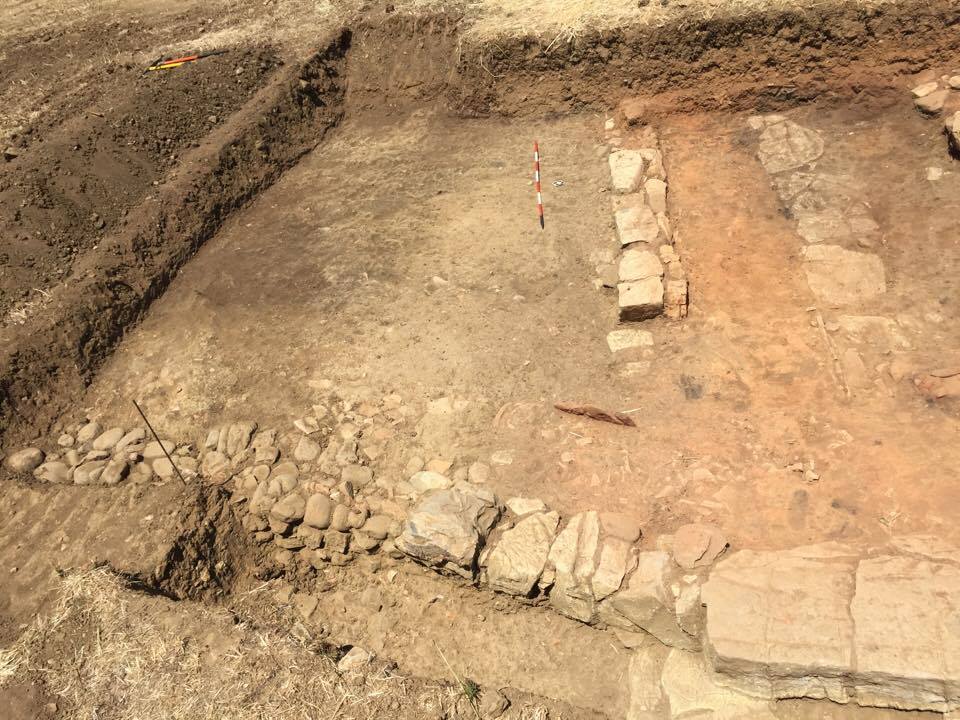
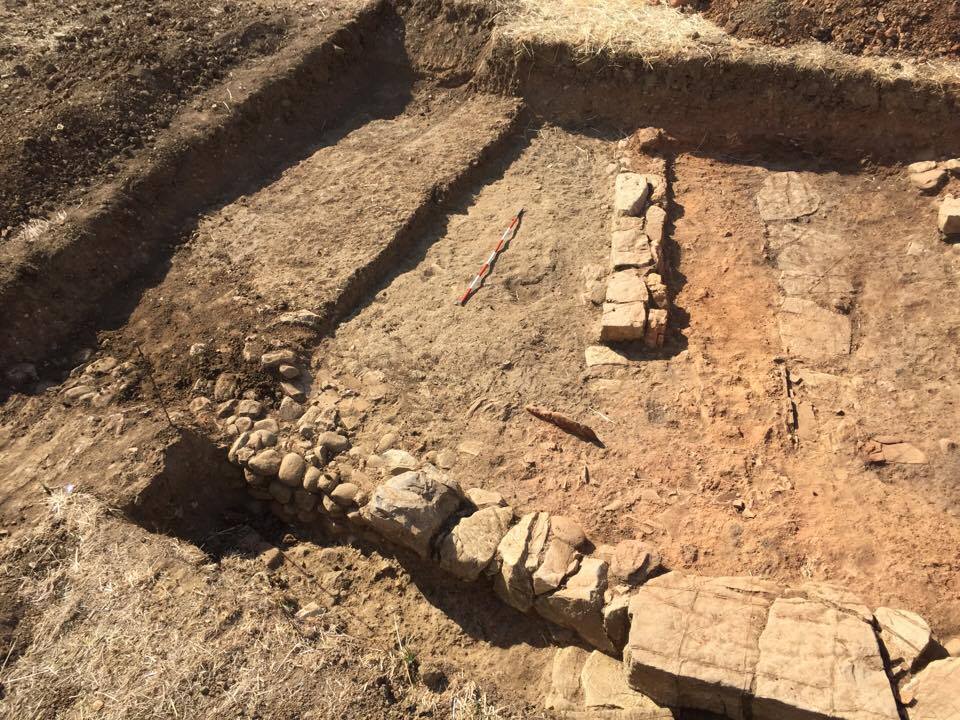
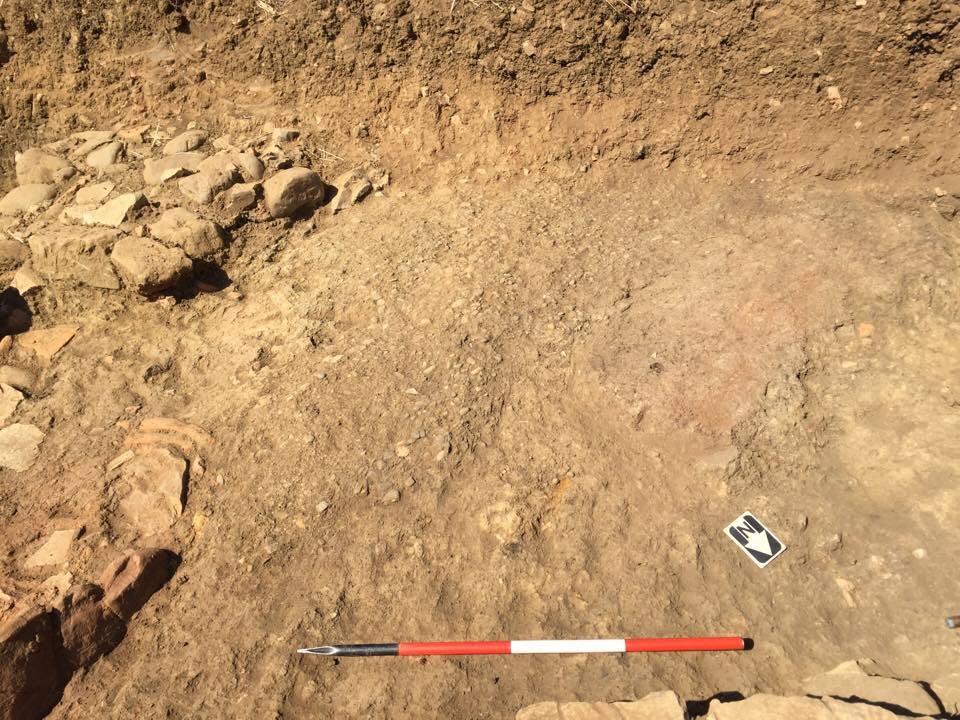
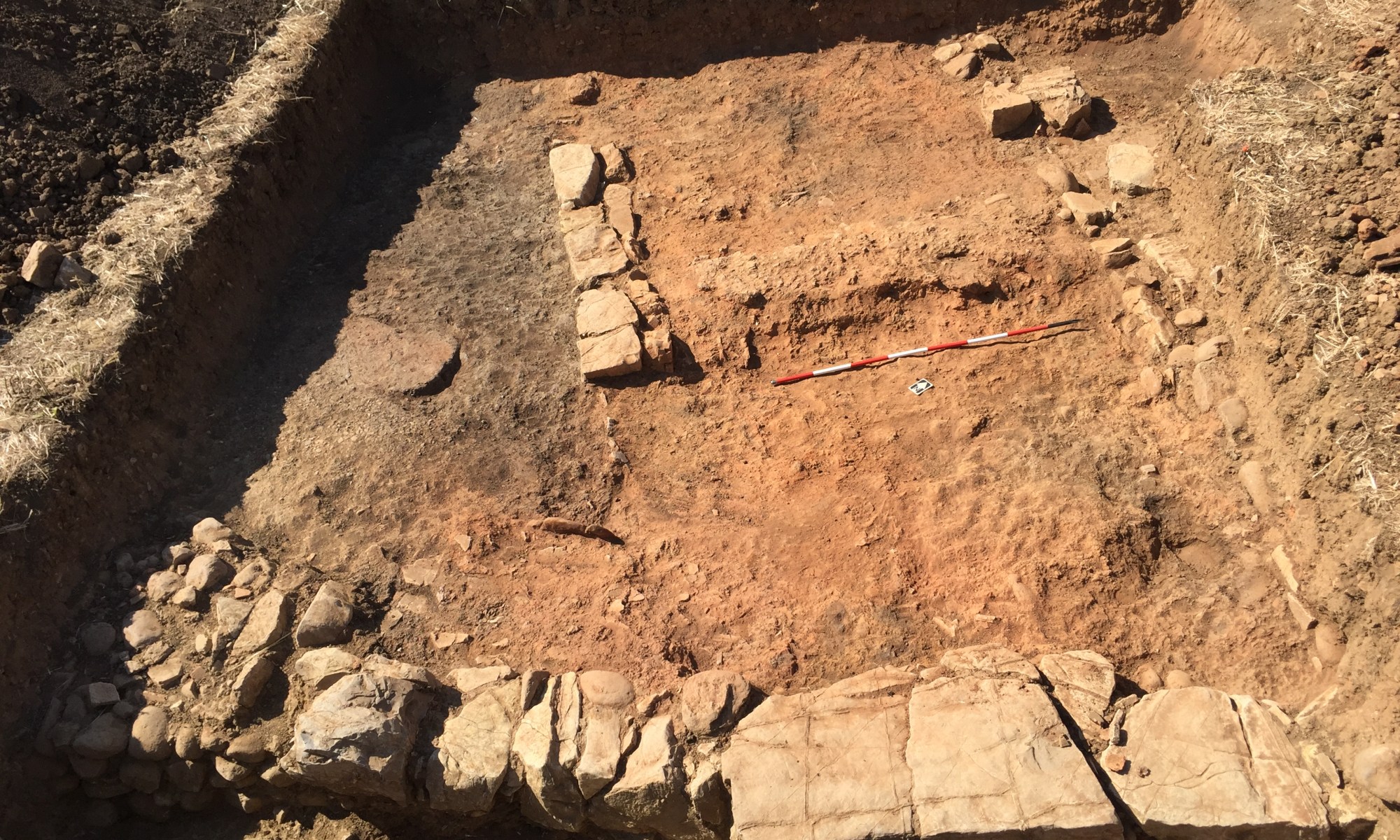
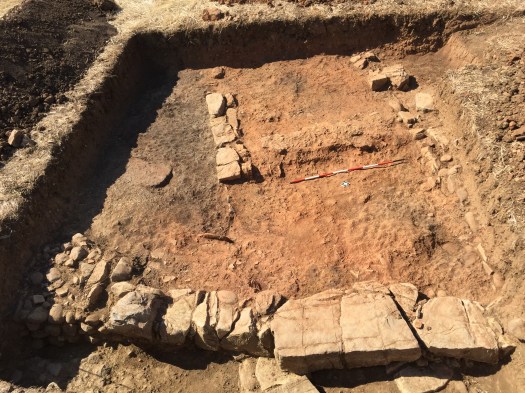
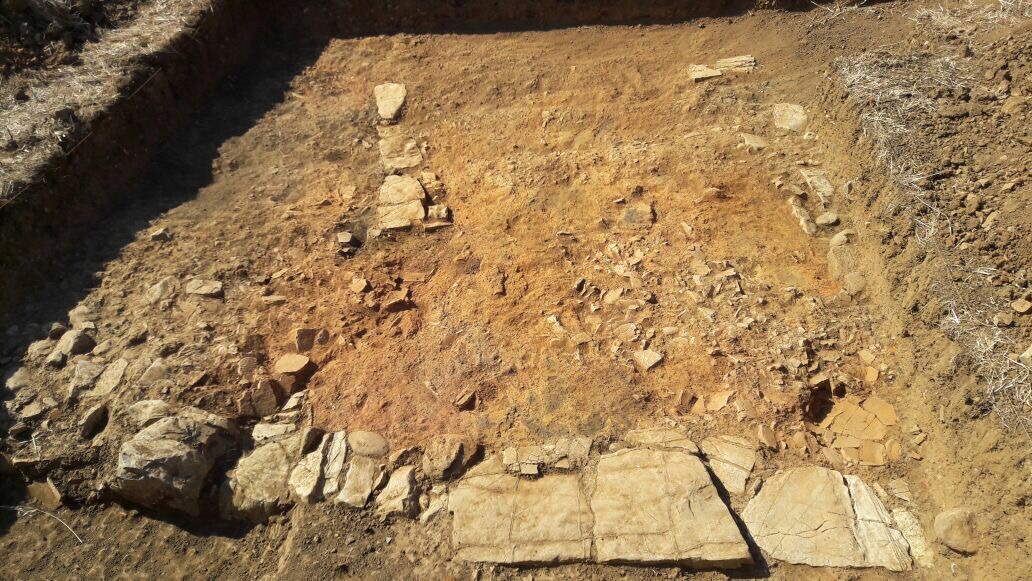
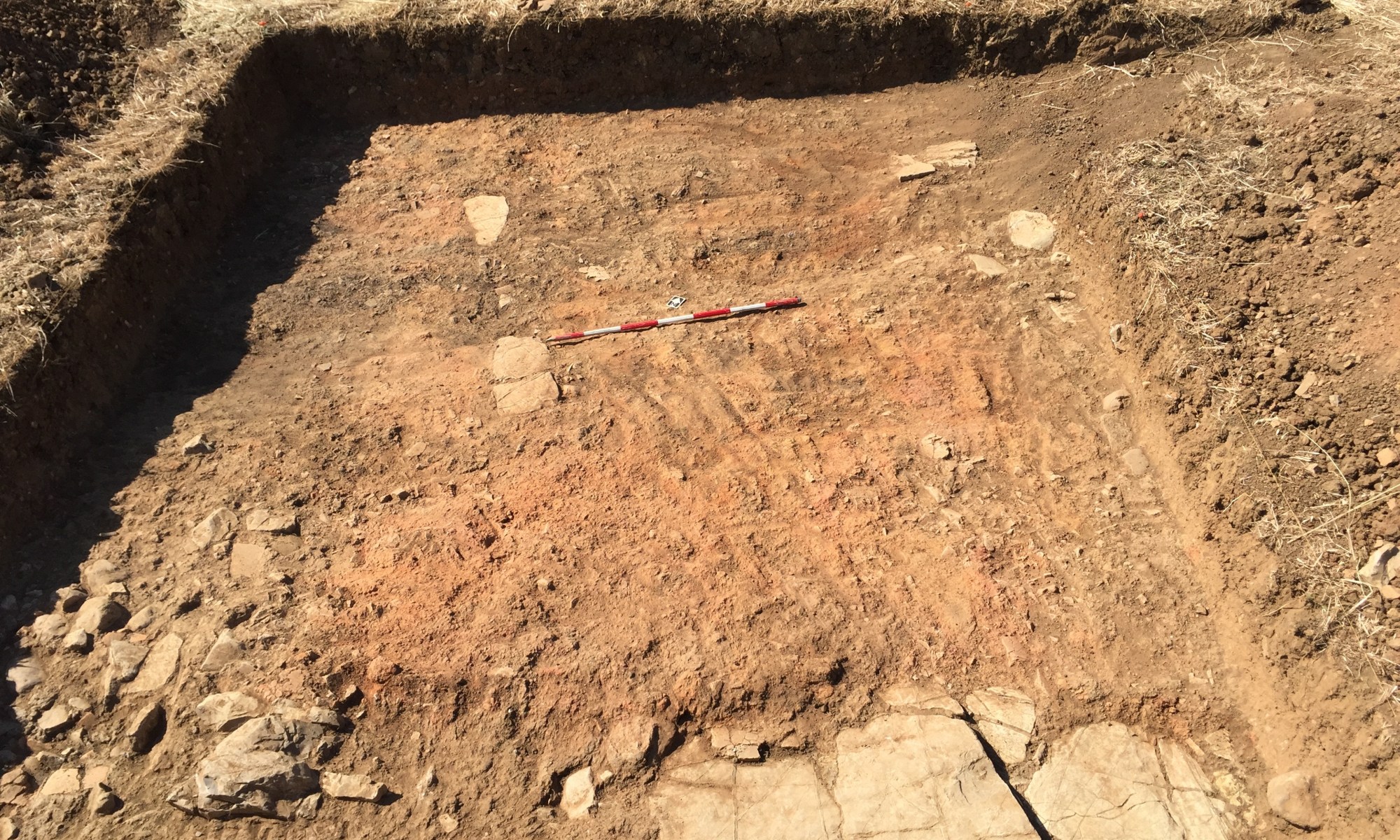
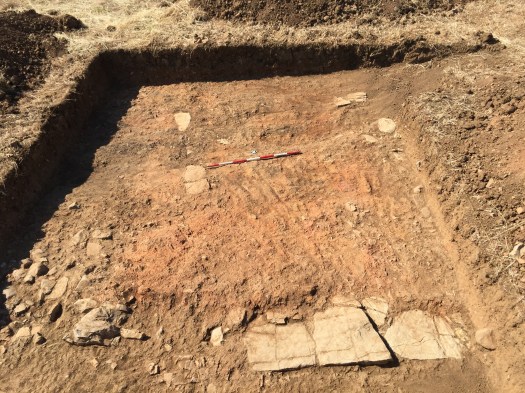
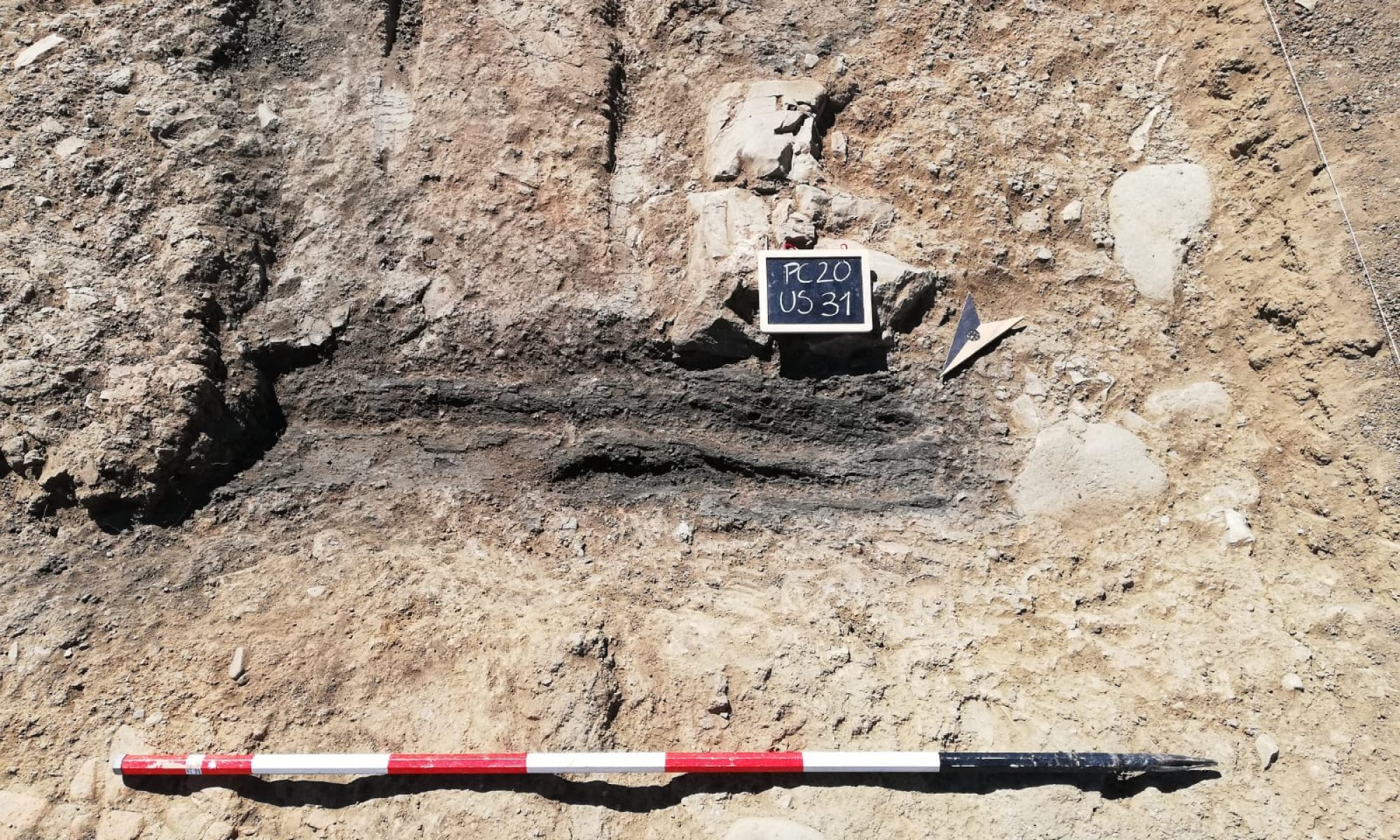
Today we spent the morning removing context 13 from the southern part of the excavation trench and then we continued with the plan drawing of context 20. This is a brownish/dark context covering the extent of this room of the complex. In the afternoon we started to remove it and a nice amount of pottery, as well as of iron slags, continued to be recovered.19046625_10155406186161974_799632770_n
Journal of the Excavation (06.06.2017)

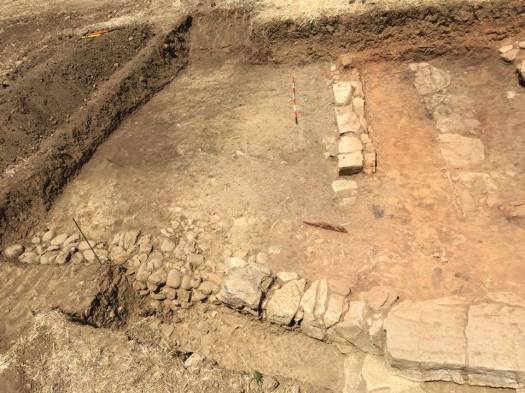
We spent the morning finishing removing context 12 in the NE room of the complex and we fully exposed an earlier wall which survives in the middle of the room. In the afternoon we started to clean the new part of the trench, just opened yesterday with the machine. This allowed us to detect another part of wall 8, made up of small pebbles. Moreover, we received the visit of our pottery and small finds specialists, Massimo Brando and Valentina Pica from Rome. Tomorrow in the morning we will assess the pottery assemblage and we will get some interesting chronologies. Stay tuned!

18945282_10155401739436974_921857482_n

Journal of the Excavation (05.06.2017)

We spent the morning removing the remains of context 13 in the area of the workshop to fully expose contexts 17 and 18. The first one is a deposit of very fine gravels which function is still unknown while context 18 is an accumulation of ashes and very small pieces of charcoal. At the same time we removed context 14 in the adjacent room, a layer of compact clay with medium size gravels. It was orientated NW-SE and ran perpendicular to walls 15 and 16. It appeared clear that context 14 was laid over 12 at a certain moment when this room of the complex was partially collapsed but not entirely. We continued then to remove context 12 which happened to be full of fragments of pottery and a series of iron nails and a possible sickle was recovered. A preliminary analysis of the pottery assemblage seems to date the context at the end of the 2nd c. BCE. If confirmed this data is very interesting as it anticipates the abandonment of this part of the building of circa 30 years in contrast with what it was found and interpreted in the 1989-90s excavations.

Finally, the last part of the afternoon was spent to expand the excavation trench in the southern part, in order to better expose the metal workshop and trying to better identify correlated infrastructures within the room.

18944513_10155397640861974_1111119506_n

Journal of the Excavation (03.06.2017)

Today we spent the day removing context 13, in the SW area of the trench. This part of the excavation, as said yesterday, is rich in metal slags and we would assume that a metal workshop occupied this room. Luckily, a number of ceramic diagnostic fragments has been recovered and it will be soon studied to provide a preliminary chronology of this context. At the same time at least three new contexts have been exposed underneath context 13. On Monday we will record this phase of the occupation of the site and we will proceed with the excavations.

For the moment, have a nice weekend and we will be back on Monday with new results!18928211_10155390139521974_2078198303_n

Journal of the Excavation (02.06.2017)

This morning we started the removal of contexts 12 and 13, respectively a red deposit of collapsed, burnt clay and tiles and a dark black deposit on the south western part of the trench. A series of interesting vessels has been recovered in both the deposits, but an interesting evidence came up from the removal of context 13. A number of iron slags has been collected during the excavation, providing more than a hint on the presence of a metal workshop in this part of the complex. Moreover, the composition of the context, as well as of the new one freshly discovered underneath seems to confirm the hypothesis.

In the external area of the complex we almost finished the removal of context 5, and we exposed a series of aligned stones that could belong to a new (third) wall although the situation needs more clarification.

IMG_9531

Journal of the Excavation (01.06.2017)

Today the excavation continued with the removal of context 4, a collapse of roof tiles, spread almost all over the excavation trench. After its removal, two different contexts appeared: context 12, a black deposit in the southern portion of the area and context 13, a red deposit similar to 2 but with no inclusions. A series of clay tiles has been noticed in context 13. Contexts 12 and 13 are well divided by a wall (15) which runs NW-SE in the middle of the excavation trench. Context 13 is contained also by walls 6 and 16.

In the external part of the trench, outside walls 6, 7 and 8, we removed context 5, a dark brown deposit of clay with occasional inclusions of charcoal. In the NE corner we discovered then at least 2 walls (9 and 10) running from wall 6 towards the profile of the trench. A new context (11) has been detected in between the two walls and appears to be made up of a greenish, hard clay deposit.18871265_10155383109016974_2003717293_n

Journal of the Excavation (31.05.2017)

Today we removed context 3, a deposit of dark brown clay running between the external wall of the complex and the trench profile. Below it we have discovered a new context (5) and the possible remains of two masonries. Tomorrow we will continue the excavation of this new context, trying to better define the putative walls and their possible continuation under the SE section.

In the main area of investigation, i.e. the internal part of the complex, the removal of context 2 showed the existence of at least four tile collapses and large black patch. Moreover, a possible base for an earth-beaten/clay wall seems to further divide the area into three rooms. The day ended with the final documentation of all the new contexts and the drawing of the phase plan.

IMG_9458

Journal of the Excavation (30.05.2017)

Today we first documented context 2, a strata covering a large portion of the excavation area. Context 2 consists of a deposit of burnt clay, very red and hard in its compaction. It is highly possible that it is the result of the collapse of clay walls, after a fire that destroyed the settlement. The idea is also suggested by the presence of highly fired/burnt clay bricks within the context. The removal of context 2 brought back to the light some other rocks on the SE part of the trench, definitely defining the external perimeter wall of the complex. Moreover, two segments of walls, running parallel with each other, also appeared. At the SE corner of the room defined by these walls, an almost entire amphora has been documented. As the removal of context 2 continued, a possible level of tile rubbles seems to show up as well as possible remains of an earth-beaten floor.

At the same time, we started to remove a dark brown clay context outside the external perimeter wall of the complex. The context is quite rich in pottery, especially fragments of black gloss ware as well as some common ware and sporadic pieces of cooking ware. At this stage we have decided to cut a section through the deposit and to investigate only a portion of the context.

IMG_9430

Journal of the Excavation (29.05.2017)

Today the first archaeological season at Podere Cannicci started under the Impero Project.

We spent the day removing the remains of the topsoil and exposing a series of new contexts. In the eastern part of the trench a series of 3 large blocks of rock seems to define a wall of the complex with a NE-SW orientation. Mostly the entire portion of the excavation is covered by a bright red and black context, possibly deriving from a high exposure to a fire. Interesting pieces of carbonized beams can be seen within this context. In the SE part of the trench the burnt clay is characterized by the presence of a rubble layer of broken roof tiles and tegulae while in the middle of the excavation area a possible E-W alignment of stones can be seen.

IMG_9382

Welcome to the excavation team!

We would like to welcome the excavation team for the 2017 archaeological field school at Podere Cannicci.

Constance Champagne (University of Edinburgh)

Todd Fenton (Michigan State University)

Luca Giannuzzi Savelli (Project Manager and Site Assistant)

Alessandro Sebastiani (University at Buffalo – SUNY)

Maura Timmons (Michigan State University)

Valentina Trotta (Site Assistant)

Edoardo Vanni (Site Assistant)

A special thank you to Paolo Nannini (Soprintendenza Archeologia) for his fantastic commitment to the project!