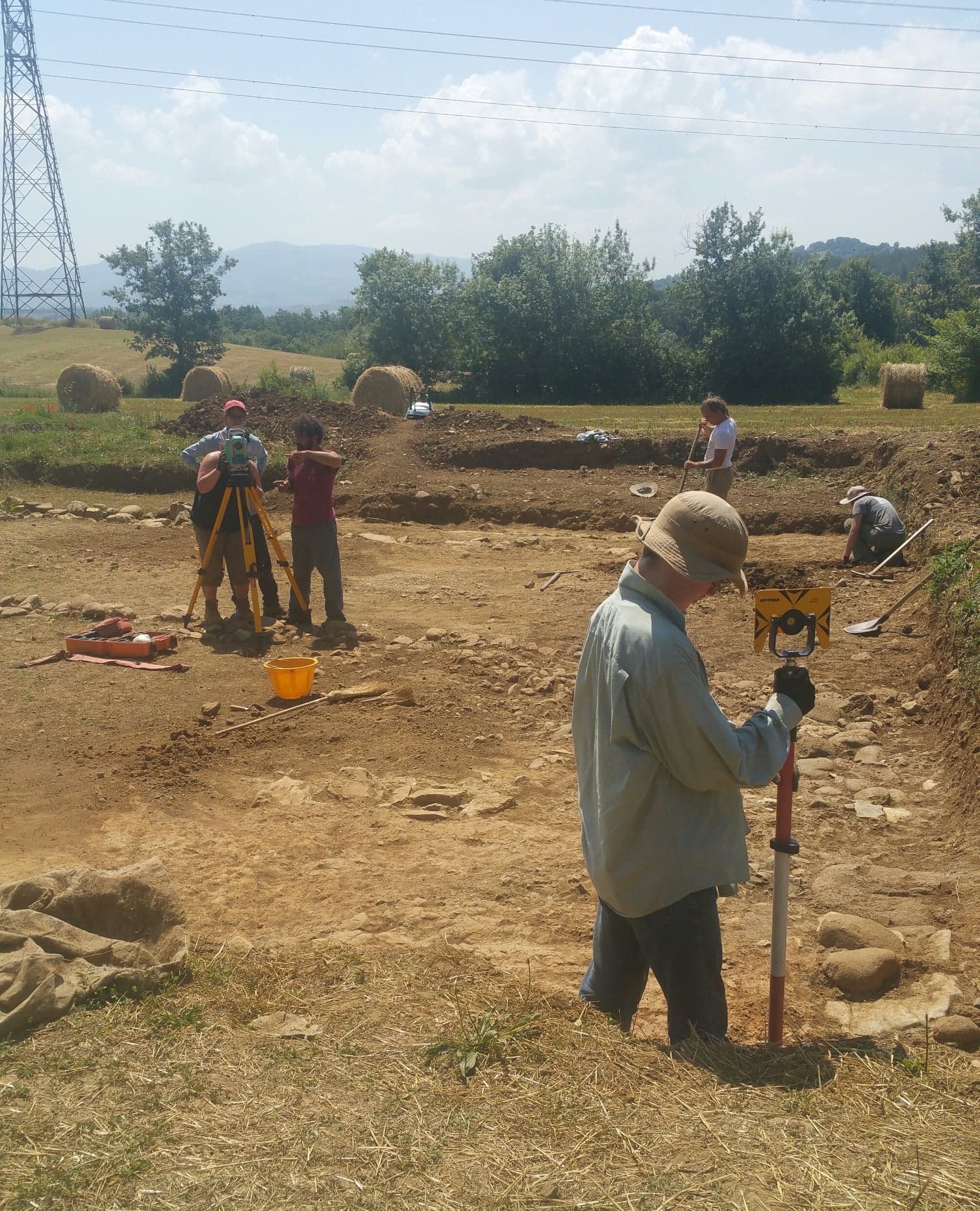
Castellaraccio di Monteverdi – Day 17

It is Thursday, Marc, having finished his work in Area 3000 and having reached the bedrock decided to go back to Cannicci, leaving us with a really interesting area to work during the next months back home. Area 3000, small and cramped, give us a fist full stratigraphical picture of Castellaraccio, from the last phases of the Castle to the natural layer of rock forming the core of the hill. It is a partial picture of course, but the detail study of its layers and associated finds will enable us to set a first general chronological framework for the site.

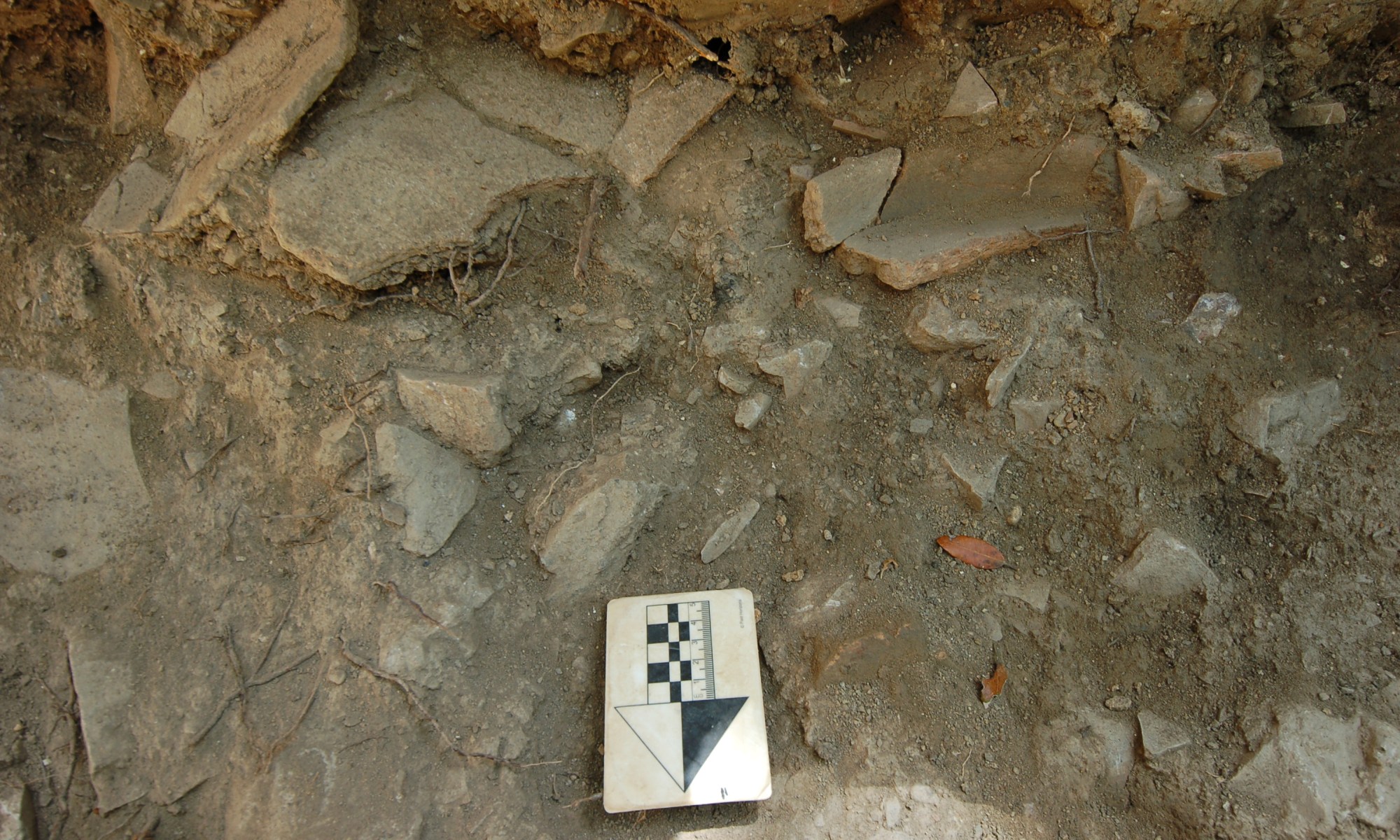
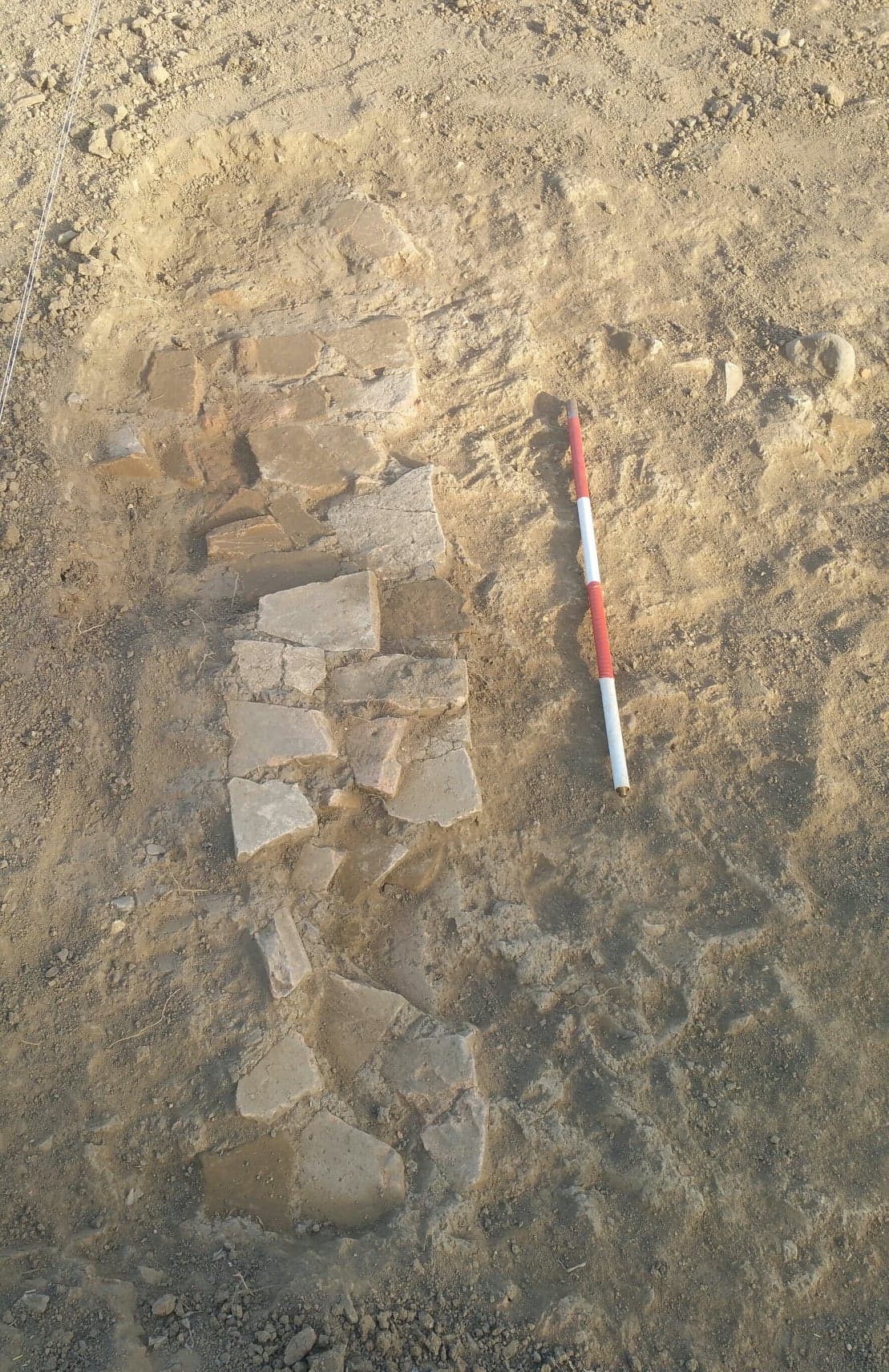
For the rest we started removing context 32 in Area 1000, while the Michigan team continued pick axing joyfully in Area 2000. A closer exam of the southern area of the room revealed what was possibly a cooking area with several pieces of cooking pottery, including a testum, still in place and a fire place in the south-eastern corner. This phase was probably part of a late occupation of the castle.

Castellaraccio di Monteverdi – Day 16

Wednesday, half way to the last full week of excavation. The team is now fully supported by the Michigan State’s PhD students who are taking care of opening a trench in Area 2000 with the goal of removing what was left of the collapse in the eastern side of the room.

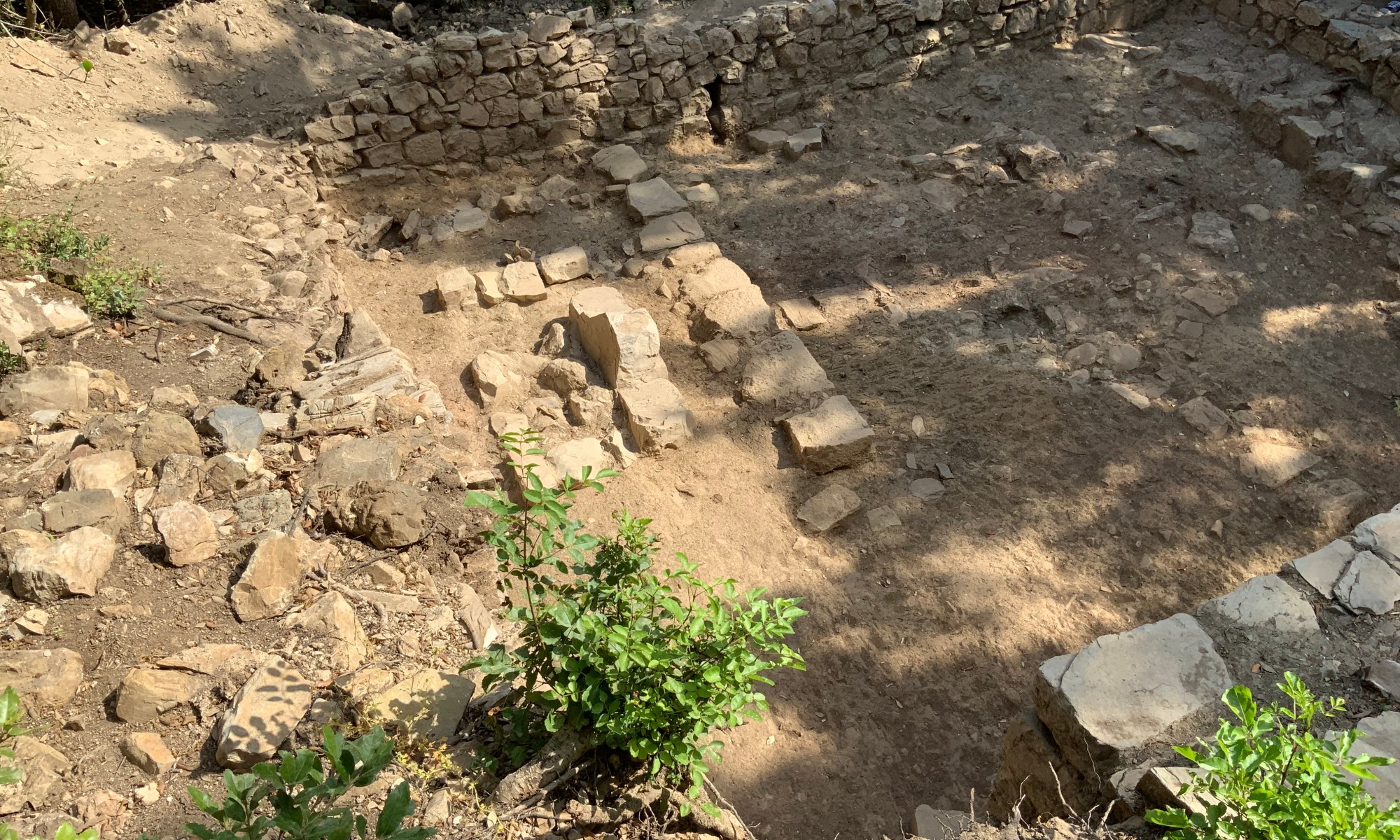
In Area 1000 the team was busy in cleaning context 32 for a photographic documentation. It is possible that this hard layer of clay was a preparation for a floor or a walking surface in the phase of abandonment of the room. However, the almost complete lack of finds make very hard to develop an historical chronology. We also dedicated part of the day to clean and excavate the south-eastern corner of the room, where the structure of a possible staircase is becoming clearer day after day. Tomorrow, if possible, we will bring the station up to deal with topographical survey.

Castellaraccio di Monteverdi – Day 15

It was a sunny Tuesday at Castellaraccio as the teams continued to dig in their trenches. The team at the keep finished cleaning the last of context 29 and began excavating context 32 just below.

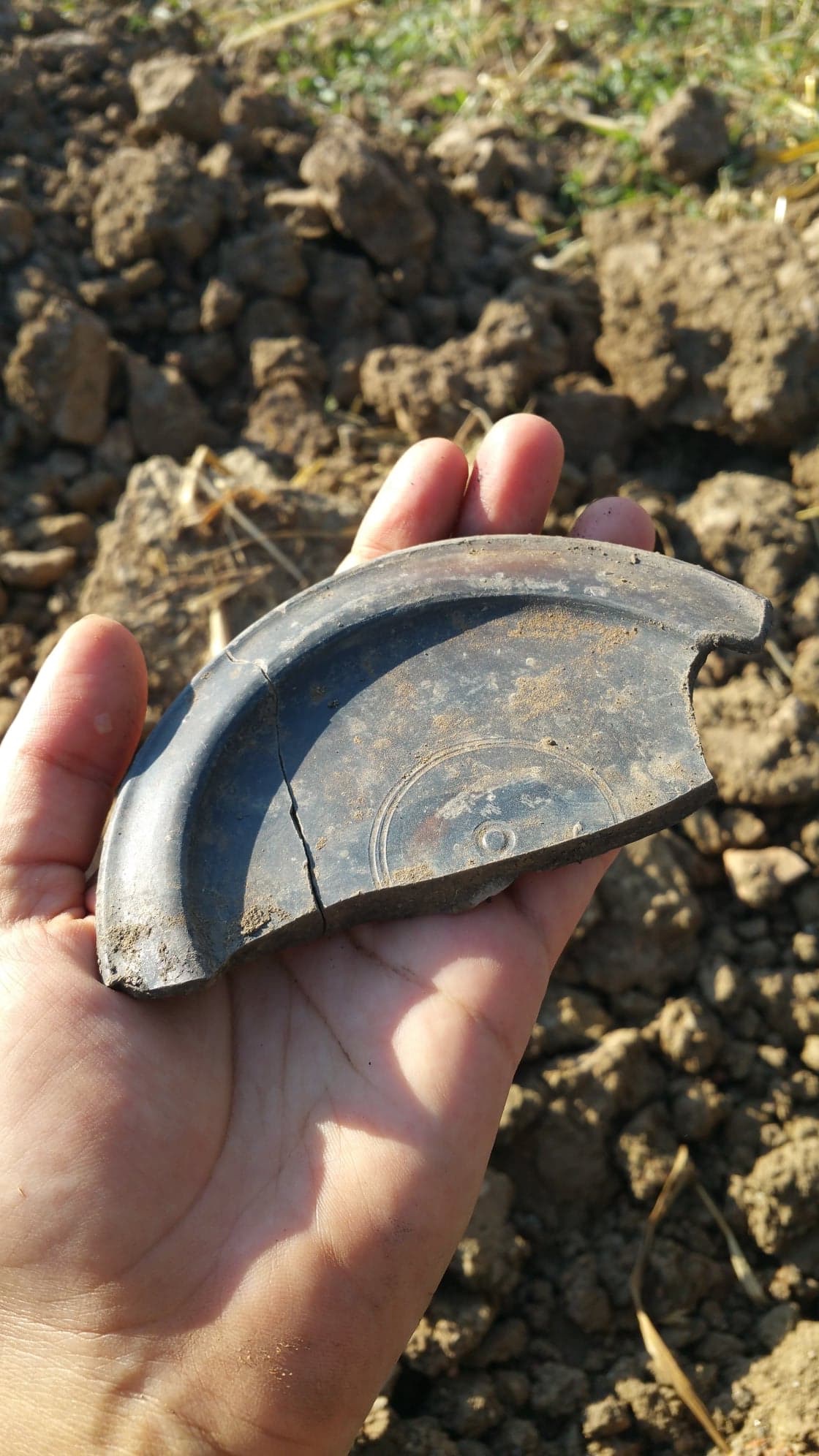
Only a couple of pottery sherds were found throughout the day, but a possible corner piece to the wall inside of the keep was also uncovered. The Michigan State PhD students joined the rest of the Castellaraccio team today and they continued the excavation at the house. Mari and Alex found several pieces of Maiolica thanks to Elena’s pick axing, and they hope to uncover more in the following days. Marc had another fruitful day in his trench with more pottery, bone, and nail finds. Marc reached the bedrock of his trench, and there are tentative plans to expand it.

The team looks forward to continuing work tomorrow and learning more about the past of Castellaraccio.

Podere Cannicci – Day 20

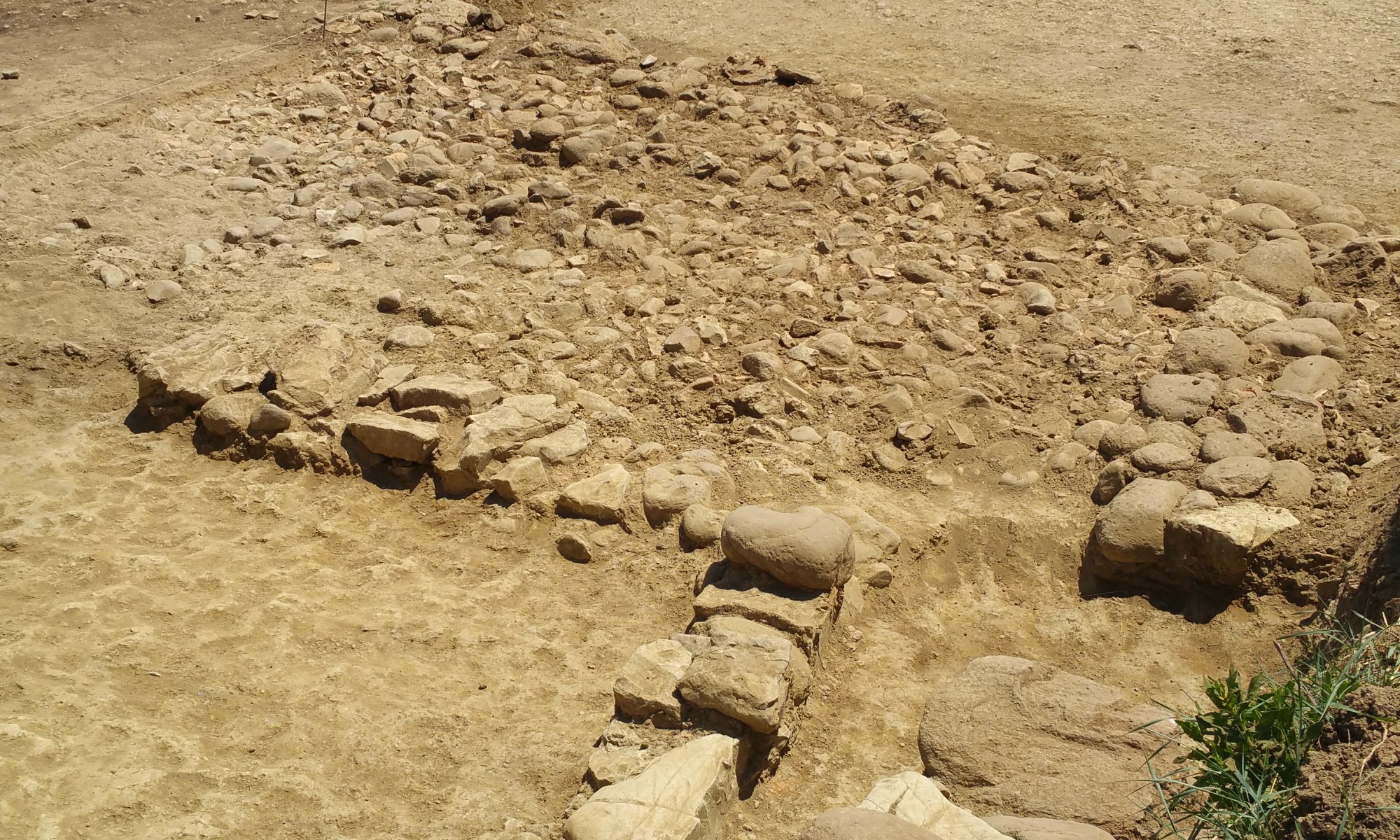
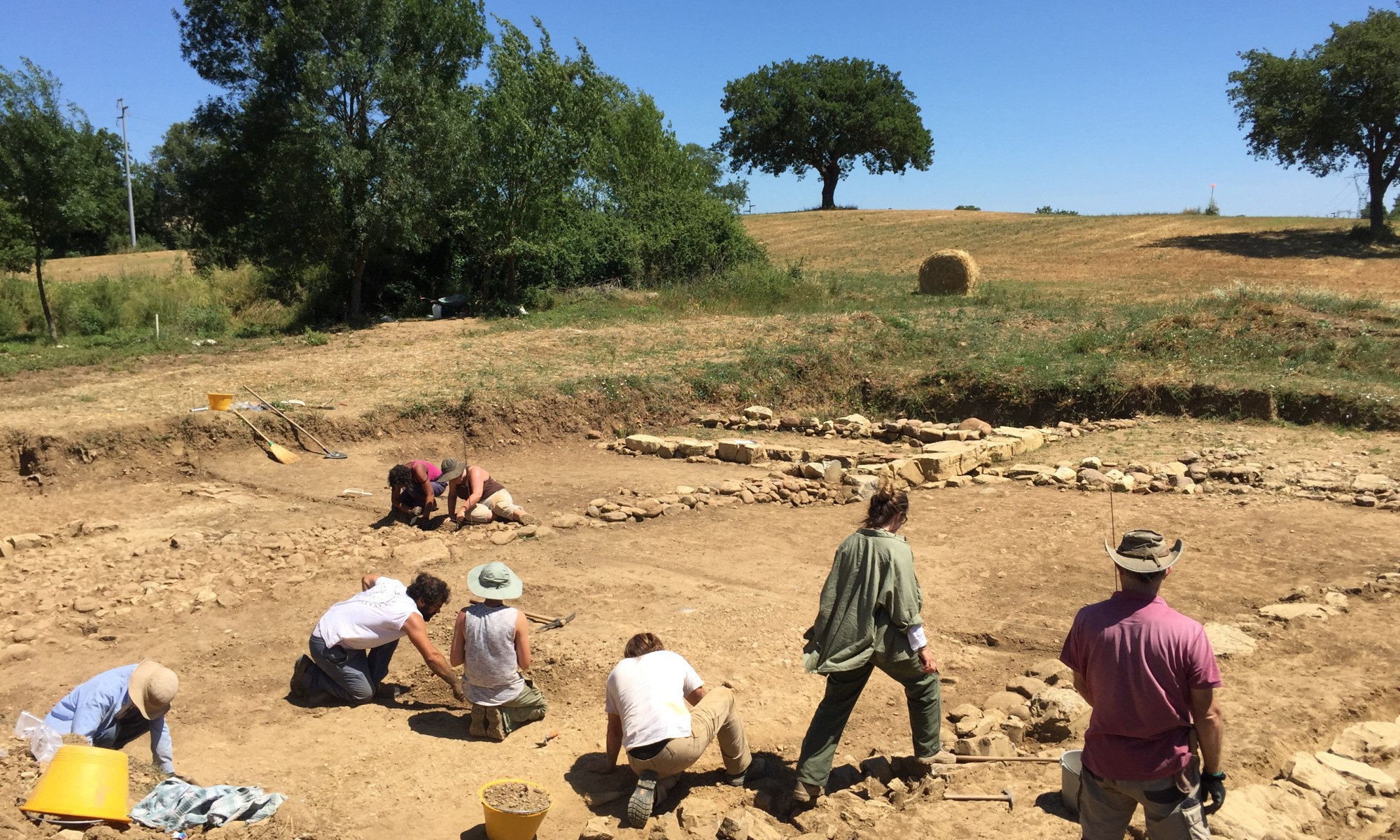
The final day at Cannicci was a moment of magic for all–with odds against the teams occupying both trenches at the main site, the students put their hearts and souls into their labor to get the job done. Trench supervisor Michael and his team managed to remove Context 55 in its entirety, revealing that the pebbled floor continued to wall 8. Simultaneously, Marc found two small, bronze treasures–one, a wonderfully preserved bronze ring, and the other, what is believed to be a thin chain link. Betsy’s trench had similar success: After excavating Context 71, the interior of the small canal between walls 58 and 61, Context 70, comprised likewise of thick, yellow clay, loomed before them as an entire room to be taken down. By lunchtime, the team not only levelled the context to the depth of Context 71, the original reference point, but revealed a potential new wall, dark red soil towards the eastern end of the room, and thick, black clay towards the north-western extent of Context 70. Afterwards, just as the students on the other side of the wall did, the team troweled, articulated the bordering walls, and swept the entire area. 

In Area 1000, Tina and Thuraya made incredible strides exposing a complex floor context while simultaneously showing director Professor Michelle Hobart’s daughter, Charlotte, the fundamentals of excavation. Charlotte spent the rest of the day manning the drone, taking the final aerial photographs of both sites, before joining Betsy’s trench as an extra hand on the other side of the trees.

 In the afternoon, Tina conducted the removal of the remaining dolia collapse while Thuraya and Edo joined the team at the central excavation site to finish documentation with the helpful accompaniment of cold watermelon. All in all, the Cannicci crew felt the depth of their accomplishments today, and after positive news regarding the possibilities of extending our excavation, the following year appears bright with the promise of friendship and discovery!

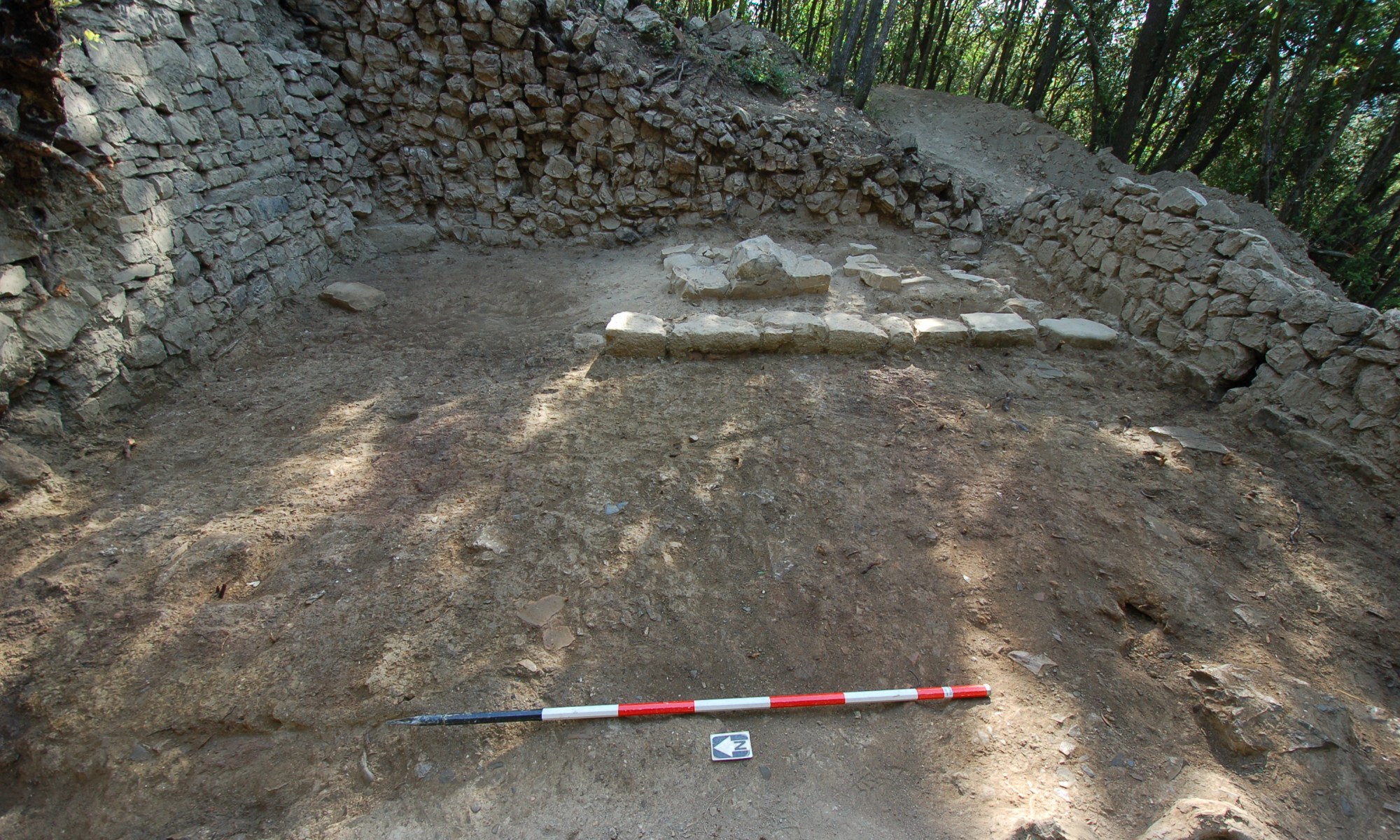
Podere Cannicci – Day 19

The team working on the area excavated previously in 2018 worked in two groups today. Half of the team was continued to remove Context 56, finding many sherds of pottery and a few bones in the process. After Context 56 was removed, the team cleaned, took pictures, and took points with the Total Station of Context 70, a yellow clay with sandy patches. Then, they got to work removing this newly uncovered soil around one of the most narrow drains on site, and in addition to pottery, also found a bronze coin with the help of director Professor Sebastiani, who came to work with the students in the afternoon. The other half of the team was very excited to find what is believed to be the floor level beneath Context 55. Today, they focused on clearing the context above the floor level and found  bone fragments, pottery sherds, and even a loom weight in the process.

Area 1000, on the other hand, had the pleasure of working with Charlotte, Michelle’s daughter, who flew into Italy a mere 24 hours before she was on the field–a true champion. In the morning, Thuraya drew a map of Context 7, which is a context of disintegrated brick near one of two pillars found within the north extension. Together, the team gave context numbers to the two pillars and the charcoal line which runs between them so that they could take points with the total station. Thuraya collected some big, beautiful samples of the charcoal (Context 16) and then troweled it to perfection.  Charlotte and Tina began to take away Context 7 to expose the context beneath it, which proved to be more difficult than they had hoped.  With teamwork and cold watermelon, they began to expose a context packed with pebbles, which they believe to be a floor. Let us all cross our fingers for them tomorrow as they embark on exposing this contest in totality.  Three cheers for Monday!

Podere Cannicci – Day 18

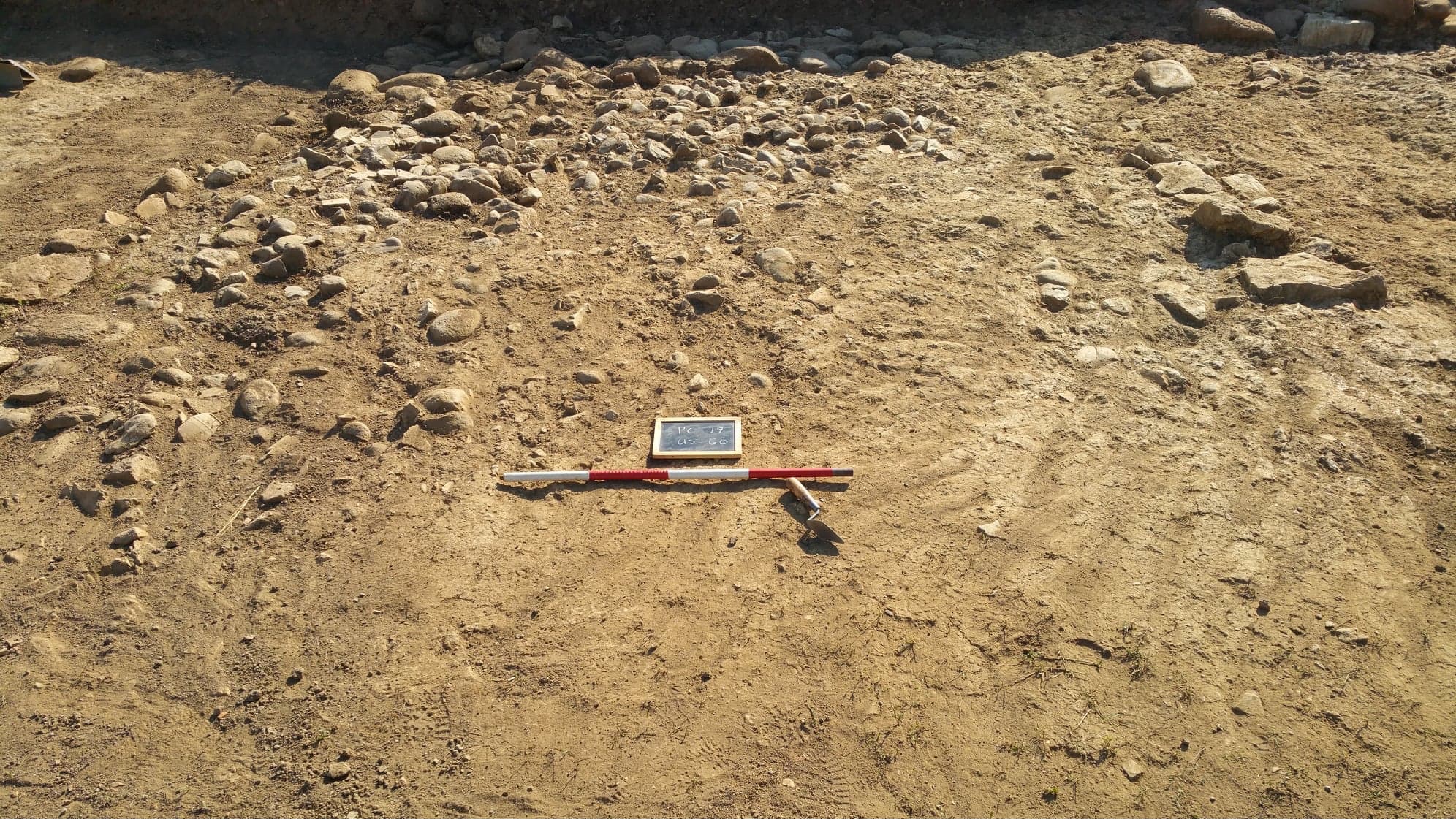
The crew arrived quite early on Friday morning, early enough to see the moon set and the sun rise.  Indeed, the sun always shines on Podere Cannicci, and shine it did. Dr. Vanni joined the team over in the main site as they continued to articulate Context 60, which is composed of primarily large stones. In doing this, the team realized that the tile wall, running along the western edge of the site, continues outside of the trench.  After this, they began removing context 59, now behind the wall (Context 58) as Michael and Savannah found the continuation of the floor stones and began to articulate a context of larger stones within Room V. The crew ended the already quite productive day by removing the tarp left by previous excavations and by troweling the North East corner to perfection.

In Area 1000, Thuraya finished troweling Context 5 by removing the remaining tile.  Tina began to expose the rest of the wall, Context 4, before quickly realizing that the wall either does not continue or it is in ruins. They then swept with fury to prepare for the “Sunset Archaeology” event on Sunday, when the fruits of their labor and that of the rest of the team will be presented to the local community. This season has enlightened the team about archaeological methodology and practice and has allowed the team to literally hold the rich history of Paganico within their hands. They cannot wait to share what they have accomplished with the people who live there, with those who have greeted them with open arms and the occasional Aperol Spritz. Grazie a tutti!

Podere Cannicci – Day 17

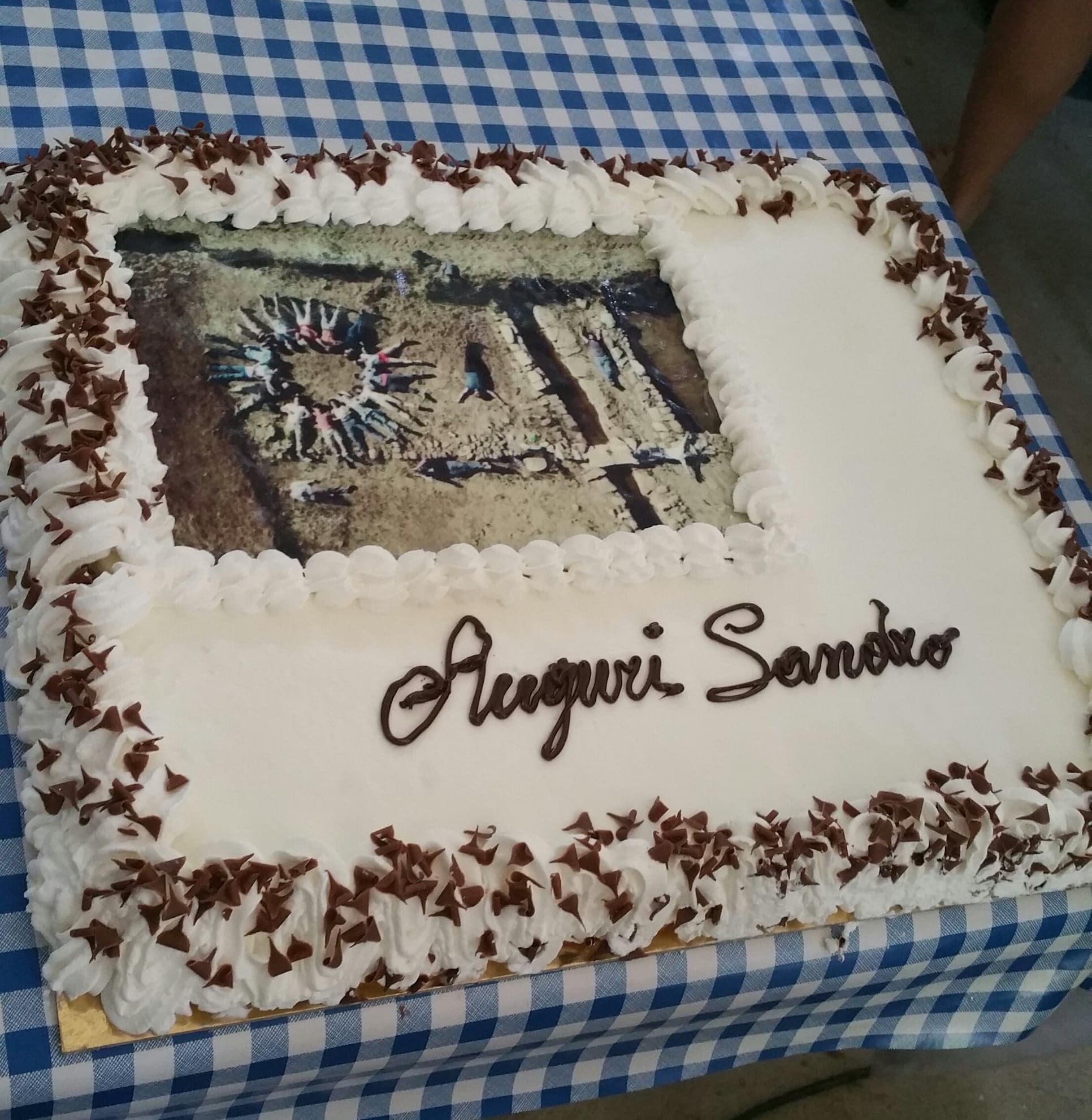
Characterized by warmth from the previous night’s festivities and a cake-filled celebration of the birthday of our director, Professor Sebastiani, during lunch, this Thursday heralded new questions and broader horizons for the Podere Cannicci site. After a lapse in our ability to employ the Total Station earlier in the week, site director Dr. Vanni and trench supervisor Betsy finished taking the points of Context 56, and as the team continued to remove the charcoal and disintegrated-brick laden reddish clay, they discovered a new feature of stacked tile running along the Western edge of the trench. Tomorrow, the Cannicci crew will articulate and investigate this construction to discover its function and extent. Further, in the process of removing Context 56, students uncovered a bronze coin while Alyssa articulated wall 57, situated in the center of the trench. 

In Area 1000, Thuraya and Tina continued to remove the collapsed sherds of the dolia (Context 11) and to trowel the apsidal charcoal feature (context 8) which Thuraya, Dr. Vanni, and Professor Sebastiani had excavated on Wednesday. While doing this, they found a bronze nail, iron nails, and sherds of black gloss. They felt feelings of melancholy and satisfaction as they realized that their work in Area 1000 was quickly coming to an end. Tomorrow, they will continue to clean along with the rest of the team in preparation for Sunday’s “Sunset Archaeology” event.

Podere Cannicci – Day 16

Stationed cameras, eager eyes, and a once-in-a-lifetime act of recovery defined the day at Podere Cannicci. In Room I, in light of the photographs taken of Contexts 56 and 60 the previous afternoon, Context 56 was ready to be cleared, and the team undertook this task promptly, exposing a thick, yellow clay beneath, integrated with sandy patches and defined by a varying topography that was better followed with the help of director Dr. Vanni. This portion of the team likewise confirmed the existence of a new wall, Context 61, uncovering the continuation of its stones and discovering that it formed a small canal with its parallel feature, wall 58. On the other side of the original excavation area, where students continued to articulate the uncovered continuation of stones composing a raw floor, the plethora of loom-weights found by trench supervisor Michael were accompanied with a textile tool previously absent at Cannicci—a spindle discovered by Kevin. Room I, on the other hand, heralded a bronze coin brought to the light by Alyssa as the team continued to expose the new yellow-colored clay lying beneath Context 56. 

In Area 1000, the team composed of Dr. Vanni, Tina, and Thuraya began the process of dolia removal and received a visit from an archeo-botanist in preparation for analyzing the soil of the collapsed dolia for residue. In the afternoon, however, this dream team undertook the highly anticipated removal of the artifacts beneath the furniture remnants. With our videographer Emma at the ready to capture the moment and Tina furiously documenting the finds, Dr. Vanni and Thuraya meticulously removed objects from the soil, some of which had been visible to the team for almost two weeks, begging to be salvaged. Even director Professor Sebastiani came to share in the magic, as did our constant compatriot, Alberto Ghini, and his mother. As glistening vessels of black gloss, lead, plaster, and numerous bronze coins came under the gaze of the setting sun, with the team working past the end of the workday until the deed was done and the students from the main excavation area cheering them on, all realized the significance of those fleeting moments under the few shady trees in the valley.

Podere Cannicci – Day 15

Today at Podere Cannicci, the team continued to peel back a layer of stones and collapsed brick in Room 1, picking up where they left off on Monday. The somewhat complicated stratigraphy in this area made for delicate work as a layer comprised of orange streaks of disintegrated bricks and charcoal-laden red clay (Context 56) had to be distinguished from a partially contiguous, partially overlapping layer of stones and whole bricks (Context 59). In the process, bronze slag and plenty of pottery were found, Kevin found a bronze coin, and Michael found loom weights. The work of cleaning the now exposed walls continued along walls 57, 58 and a new unnumbered wall, making sure not to go too deep or remove the red soil of Context 56.

In the adjacent area, Tina and Thuraya continued to trowel away through Context 2 and its northern extension. The collapse surrounding a row of dolia, large earthenware vessels for storage and transportation, was then removed, beginning with dolia number 1. While clearing away the sherds of the dolium, a mistake was made in removing the dolium base itself. The bases are generally left in their original place as they can be expected to have remained immobile since antiquity. The sherds of the upper portion of the vessel, on the other hand, are easily displaced (in the event of a collapse, for example) and may be removed along with the rest of the context laying on top. Thus, the collapse of the dolia belongs to the context above (Context 11) as opposed to the context of the bases, each of which is given its own designation – so, for example, dolium 1 = Context 12.  This simple mistake was no great reason for concern as the base of the vessel could easily be restored to its position in situ. At any rate, the situation of the dolia in Area 1000 was a good learning opportunity. In the following days, soil samples from each dolia context will be sent to the archaeobotanist for analysis. 

Podere Cannicci – Day 14

Revitalized from a weekend at the beach the crew was eager to get back to work in Podere Cannicci.  In the main site, Betsy, Alyssa and Kevin continued to trowel away in Room Iin order to expose the layer of disintegrated tile and brick, Context 56.  In the process, they began exposing another context of collapsed brick—a confuddling context which runs both alongside and above Context 56. This context they have dubbed Context 59, and with hard work and hope, they will persist. In Room V, Michael and Savannah continued to remove the context composed of pebbles (Context 55).  Monday was not going to be easy on the crew, however, forwhen they began taking points, the Total Station decided that it had had enough for one day, frustrating the team and the contexts alike.

In Area 1000, Thuraya and Tina continued to remove Context 2 from the north extension.  They exposed the foundation stone of the pillar in the North corner of the trench while listening to the calming voice of Ira Glass on This American Life, a staple in Area 1000.  On Tuesday,they will finish exposing the next context in the extension and hopefully will begin to remove the collapsed dolia in the main room of the trench.